Explore Society. Question Norms. Drive Change.
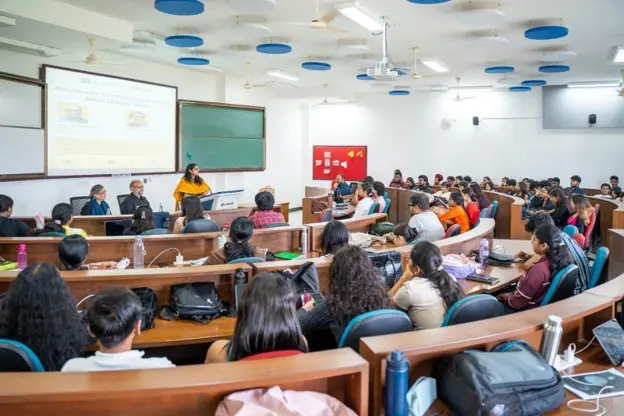
The Bachelor of Arts in Sociology is a four-year undergraduate program that invites students to explore the complexity of human society through a critical, research-driven lens. As one of the dynamic and evolving disciplines within the social sciences, sociology equips students with the tools to critically examine the structures and systems that shape our own life worlds. It moves beyond common-sense thinking and challenges students to understand society through evidence-based analysis. With a balanced emphasis on both theoretical foundations and fieldwork, this program fosters a deep understanding of social dynamics from the ground up. The curriculum is thoughtfully designed to blend theoretical knowledge with empirical inquiry, encouraging students to engage directly with communities and real-world issues.
Through this journey, students are encouraged to question, analyse, and innovate in their understanding of social life. Social outreach and community participation will be fostered through the curriculum and pedagogic exercises. In the advance years, the students will have the opportunity to specialise in subfields such as criminology gaining focused insights into crime, justice, and social order. In the advanced years, they can choose to specialize in Criminology, gaining a focused understanding of crime, justice, and the institutions that govern social order.
Graduates of this program emerge as sharp analysts, empathetic thinkers, and socially conscious professionals. Whether pursuing careers in corporate sectors (CSR, HR, organizational behavior), development work (NGOs, international agencies), public policy, civil services, or academia, they carry forward a commitment to social justice and transformation. With a strong commitment to addressing social inequalities and fostering inclusive change, graduates of Sociology are not only equipped with critical thinking and analytical skills—they emerge as agents of meaningful transformation in society.
Come, join us on this journey of inquiry and impact—exploring themes that stretch from self to society, inequality to digital transformation, heterosexuality to queerness, physical places to virtual realities, and from “book view” to “field view”—and far beyond.
Career Opportunities:
A BA in Sociology with specialization tracks in Social Anthropology, Criminology, or Social Work, offered within the Undergraduate Liberal Arts Programme, provides students with a strong foundation in sociological theory, research, and practice. The programme develops critical thinking, analytical reasoning, research, and problem-solving skills while preparing students to engage with diverse communities and address contemporary social challenges. These interdisciplinary competencies equip graduates for a wide range of careers across academia, research, public policy, development, social services, criminal justice, corporate sectors, and beyond.
Our USPs:
- Community Connect: Students actively participate in community-based learning, fostering a deeper understanding of diverse social contexts and strengthening their capacity for empathetic and informed social analysis.
- Corporate Connect: Through collaborations with the Corporate Social Responsibility (CSR) divisions of reputed organizations, students gain insights into the role of CSR managers in promoting ethical business practices, addressing social issues, and integrating sustainability into corporate strategy
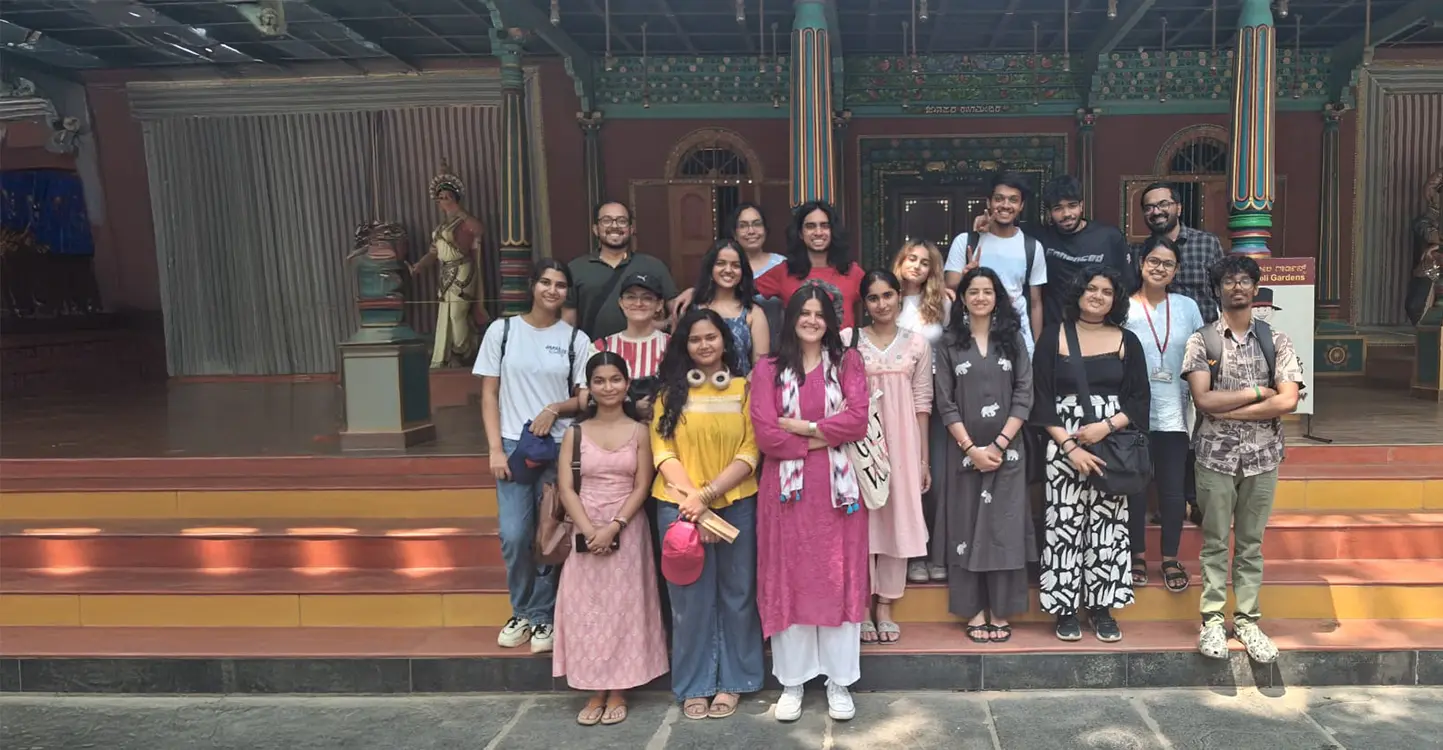
- Field-Based Experiential Learning: The curriculum includes structured fieldwork, internships, and applied research projects that connect sociological theory to ground realities, enhancing both practical knowledge and employability.
- Academic Conferences and Global Exposure: Students are encouraged to present their work at national and international academic forums and participate in exchange programmes that broaden their intellectual and cultural perspectives.
- Research and Analytical Training: Emphasis on research methodology and guided mentorship from experienced faculty enables students to develop robust analytical skills, preparing them for postgraduate studies, competitive examinations, and evidence-based policy roles.