Whatsapp

B. Tech. in Biotechnology

Overview

The programme offers a comprehensive academic foundation in molecular biology, genetics, biochemistry, and bioinformatics, combined with applied areas such as genetic engineering, bioprocess technology, and tissue culture. The programme is designed to address global challenges in healthcare, agriculture, and environmental sustainability by advancing biotechnological applications.The curriculum emphasises analytical thinking, research-based learning, and technical expertise, enabling students to contribute to innovation and development in biotechnology and related sectors.

Duration

B. Tech. (Regular): Four years (Full-time)

B. Tech. (Lateral): Three years (Full-time)

Commence of the course


Course Duration


Mode of Study

Eligibility


B. Tech. (Regular)

10+2 from recognized Board / Council with Minimum 50% marks in Physics & Mathematics as compulsory subjects along with one of the Chemistry / Biotechnology / Biology / Technical Vocational Subject.

Score in JEE (Main); JEE (Advanced); Karnataka CET; COMED-K; AUEET (Alliance University Engineering Entrance Test); or any other State-Level engineering entrance examination.


B. Tech. (Lateral)

Passed Diploma examination with at least 50% marks in relevant branch of Engineering and Technology.

Passed B. Sc. Degree from a recognized University as defined by UGC, with at least 50% marks & passed 10+2 examination with Mathematics as a subject.

A relaxation of 5% marks or its equivalent grade may be allowed for those belonging to SC / ST.

Passed 2nd PUC / 12th standard or equivalent examination with minimum 50% of marks in aggregate in Physics and Chemistry as compulsory subjects along with one of the subject as "Bio-Technology / or / Biology / and / Mathematics".


Programme Features

Located in Bengaluru, a hub for biotechnology research and innovation.

Curriculum focusing on genetic engineering, bioinformatics, and bioprocessing.

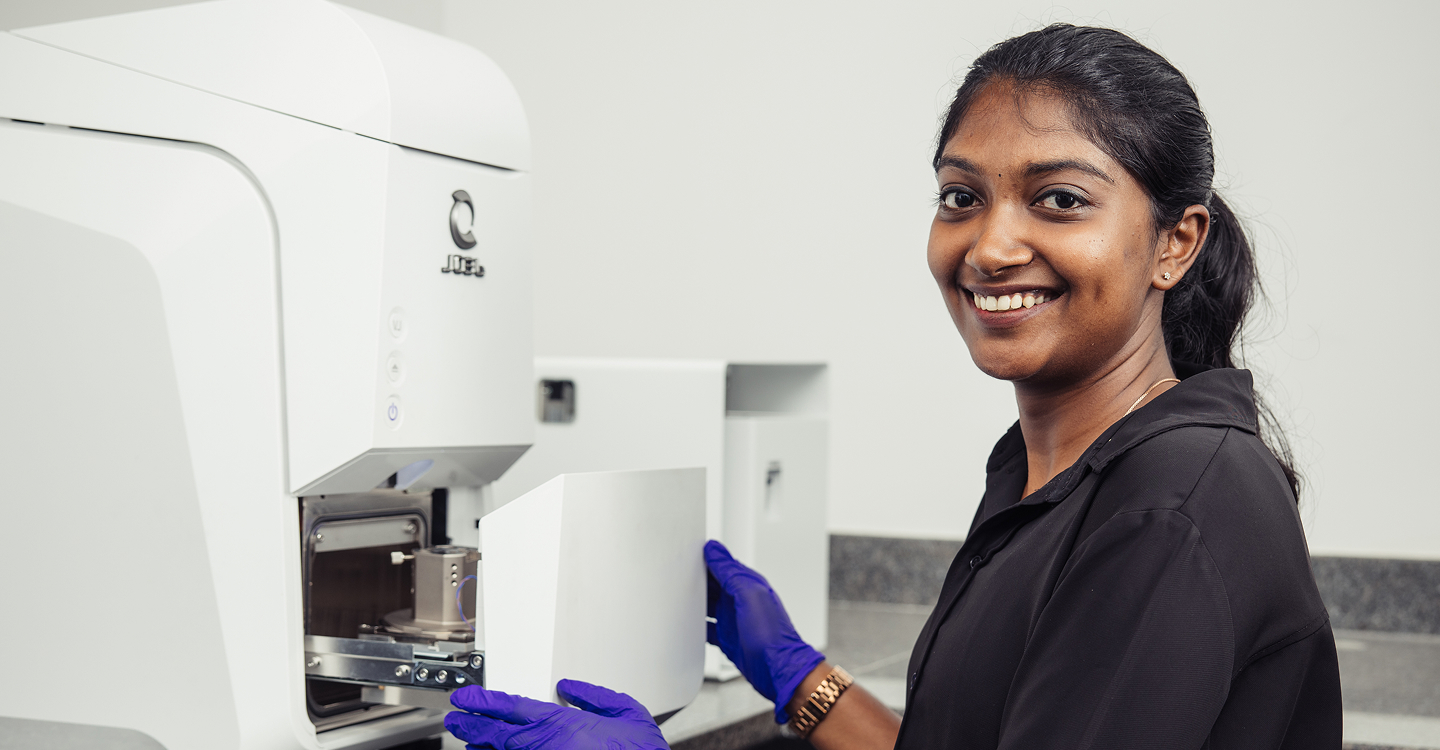
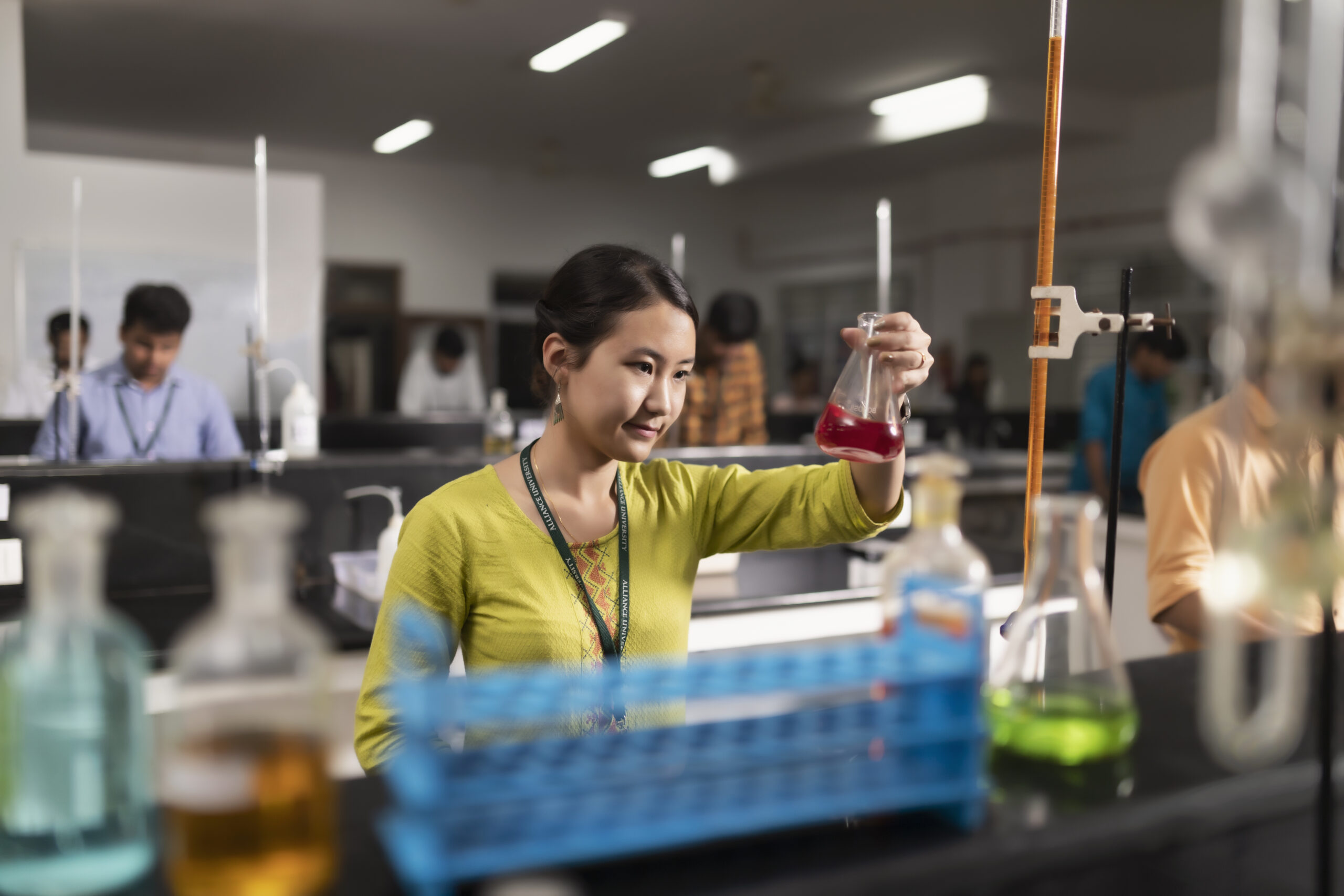
Advanced laboratories for molecular biology, microbiology, and tissue culture.

10-acre field research facility for hands-on training in sustainable agriculture.

Industry exposure through internships and collaborative projects.

Multidisciplinary approach integrating biological sciences, computational tools, and chemistry.

Research-driven training for careers in biotechnology and academia.

Program Structure

Specialization

Specialization areas of study within a B. Tech. in Biotechnology program includes:

  • Medical Biotechnology: Development of drugs, diagnostics, gene therapy, and tissue engineering
  • Industrial Biotechnology: Production of biofuels, enzymes, and industrial chemicals using microbial fermentation
  • Agricultural Biotechnology: Crop improvement, pest resistance, and nutritional enhancement
  • Environmental Biotechnology: Bioremediation, wastewater treatment, and biofuel production
  • Bioinformatics: High-throughput sequencing, gene expression analysis, and protein profiling

Core Learning Outcomes

A B. Tech. in Biotechnology equips students with a strong foundation in basic sciences, engineering principles, and specialized knowledge in various biotechnological applications, enabling them to:

  • Understand core biological concepts: Grasp fundamental principles of microbiology, molecular biology, genetics, biochemistry, and cell biology to analyze biological processes at the molecular level.
  • Apply engineering principles to biotechnology: Utilize engineering concepts like process design, equipment selection, and downstream processing to develop and optimize biotechnological processes in areas like pharmaceuticals, food production, and environmental remediation.
  • Perform laboratory techniques: Gain proficiency in advanced laboratory techniques including DNA manipulation, protein purification, cell culture, PCR, gel electrophoresis, and various analytical methods.
  • Gain Bioinformatics expertise: Acquire skills in bioinformatics tools to analyze large biological datasets, sequence alignment, gene prediction, and protein structure prediction.
  • Research and development capabilities: Design and conduct research projects in areas like gene therapy, drug discovery, vaccine development, tissue engineering, and microbial fermentation.
  • Ethical considerations: Understand the ethical implications of biotechnology, including bioethics, intellectual property rights, and regulatory frameworks.
  • Communication and collaboration: Effectively communicate research findings through written reports, presentations, and collaborate with scientists from diverse disciplines.
  • Industrial application knowledge: Apply biotechnological knowledge to real-world industrial settings, including understanding scale-up processes, quality control, and regulatory compliance.
  • Lifelong learning: Stay updated with the rapidly evolving field of biotechnology through continuous learning and research to adapt to new technologies and advancements.

Career Opportunities

B. Tech. Biotechnology jobs are offered to graduates in both private and government companies from entry-level positions such as:

  • Biodefense Technician
  • Junior Research Executive
  • Quality Control Executive
  • Research Scientist
  • Biochemist
  • Epidemiologyst
  • Quality Analyst
  • Drug Safety Associate
  • Drug Inspector
  • Food Processing officer
  • Environmental officer
  • Pharmacovigilance Specialist

FAQ's

Yes, the program offers internships, live projects, and industry collaborations to provide practical exposure in biotechnology

Yes, Alliance University offers merit-based and category-based scholarships for B. Tech. Biotechnology students, in line with university norms. Details are available in the Scholarship section of the Admissions Process page.

Yes, graduates can pursue M. Tech., M.S., MBA, or Ph. D. in specialized biotechnology fields after completing the program.

Yes, students with a Physics, Chemistry, and Biology (PCB) background are eligible for B. Tech. Biotechnology as per university admission criteria.

Graduates can work in research labs, pharmaceutical companies, food industry, healthcare, diagnostics, and biotech startups.

No, students with a Biology background can pursue the program, subject to university requirements.

Yes, students engage in faculty-led research projects, innovation initiatives, and practical lab work.

Yes, students gain hands-on exposure through internships and industry-linked projects.

Yes, final-year students complete research projects and a dissertation as part of the program.

Yes, industrial internships are a core component, ensuring practical industry experience.

Yes, research is integrated throughout the program to develop analytical and problem-solving skills.

Through placement training, industry interactions, internships, and personalized career mentoring.

The B. Tech. in Biotechnology program at Alliance University equips students to build a strong foundation in Mathematics, Statistics, and programming languages like Python and R, and apply them in bioinformatics and computational biology. Students learn to analyze biological data (DNA, proteins, omics) with computational tools, and gain practical experience through projects, internships, and research.

B. Tech. Biotechnology program uses advanced tools and technologies like Python, R, MATLAB, Biopython, AutoDock Vina, SnapGene, BLAST, Clustal Omega, PyMOL, databases (NCBI, UniProt, PDB), omics technologies (NGS, genomics, proteomics), modeling tools (COPASI, SimBiology), AI/ML frameworks (Scikit-learn, TensorFlow), and workflows.

Graduates can pursue roles in R&D, pharmaceuticals, food technology, diagnostics, healthcare, and biotech startups.

Contact for Admissions