Admission Enquiry
HELPLINE:
+91 78239 00429/+91 98849 27480
Programs
Bachelor of Science in Aviation / Aeronautical Science
Overview
The B. Sc. Aviation / Aeronautical Science programme at Alliance University, Bengaluru, offered in collaboration with Cockpit Aviation, prepares students to become skilled professionals in one of the world’s most dynamic industries.
Designed for those passionate about the science, technology, and management of flight, the programme integrates classroom learning, simulation-based training, and live industry exposure.
Students develop a strong foundation in aeronautical science, airline and airport management, air traffic control, and flight operations, aligning with DGCA standards and the evolving needs of the global aviation ecosystem.
Duration
3 Years / 6 Semesters
Commence of the course
Course Duration
Mode of Study
Eligibility
10+2 from a recognized Board / Council with a minimum of 50% aggregate marks.
Science stream (with Physics and Mathematics preferred) and a minimum of 50% aggregate in 10+2 are eligible.
A relaxation of 5% marks or equivalent grade is allowed for candidates belonging to SC / ST categories.
Why Choose Alliance University for Aviation Studies?
Build technical knowledge in aerodynamics, navigation, meteorology, and aviation safety that supports your path to Commercial Pilot License (CPL) training.
Curriculum co-designed with MH Cockpit Aviation to ensure relevance and professional certification readiness.
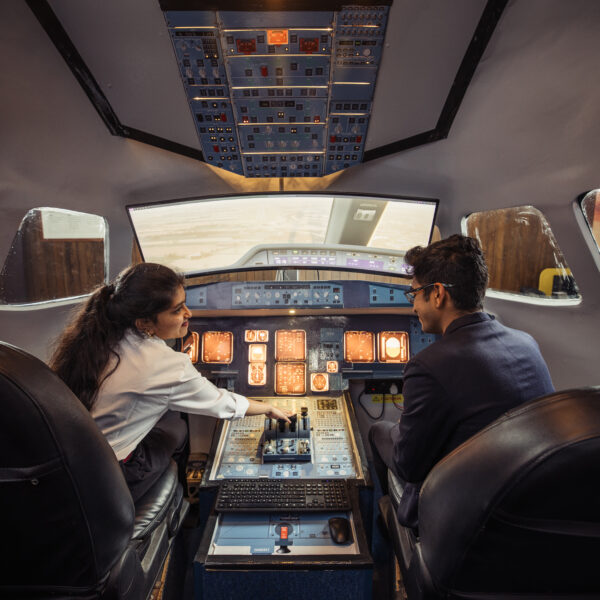
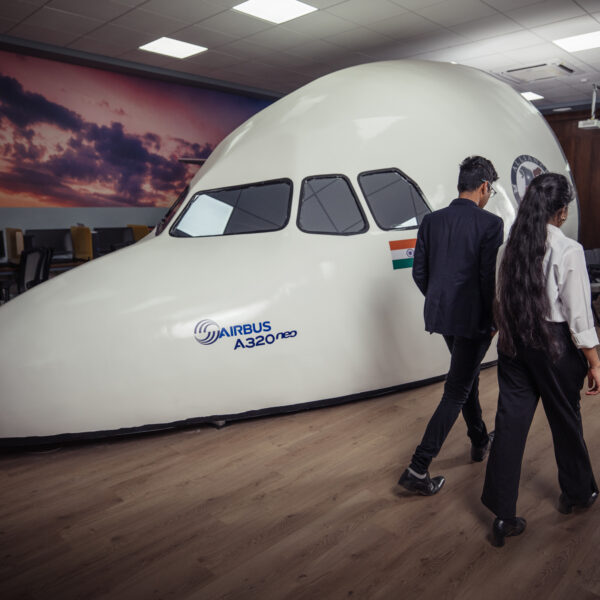
Train on advanced multi-engine and VR flight simulators to understand real-world flight dynamics.
Participate in maintenance and cockpit operation sessions with active aircraft systems, gaining practical exposure.
Engage in industrial internships at major airports and airlines across India and abroad.
Study in Bengaluru — India's aviation and technology hub — within an internationally diverse academic community.
Graduate with technical expertise, leadership ability, and safety awareness for roles across the aviation sector.
Curriculum Snapshot
The B. Sc. Aviation curriculum blends aeronautical theory, applied sciences, and operational management, progressing from foundational principles to advanced aviation systems and management topics.
Objectives
- Enabling students to acquire contemporary management ideas and concepts
- Developing the ability of students to apply such concepts to practical situations
- Providing a comprehensive learning experience, designed to educate the students about global business practices
- Facilitating learning through complementary networks of students, faculty and industry professionals
Program Structure
Practical Training and Industry Exposure
Through Alliance University’s collaboration with MH Cockpit Aviation, students benefit from extensive hands-on learning:
- Flight Simulation Labs: Multi-engine, full-motion simulators for scenario-based training.
- Aircraft Familiarization Sessions: Access to live aircraft for understanding maintenance, cockpit systems, and auxiliary power units..
- Industrial Visits: Guided exposure to airports, aerospace firms, and ATC facilities.
- Internship Placements: Opportunities with leading airlines, airports, and aviation organizations, both in India and internationally.
Career Pathways
Graduates of the B.Sc. Aviation programme can pursue diverse roles in the aviation and aerospace sectors, including:
- Pilot / Co-Pilot
- Air Traffic Control Executive
- Airport Operations Manager
- Flight Dispatcher / Load and Trim Officer
- Cabin Crew / Flight Attendant
- Aircraft Maintenance Support Engineer
- Aviation Safety Officer / Compliance Manager
- Cargo and Ground Operations Executive
Graduates are also eligible for opportunities in defence and government aviation units and may appear for competitive examinations for broader career prospects.
FAQ's
A B. Sc. in Aviation is a science-based program focusing on technical aviation subjects like navigation and aircraft systems, while a BBA in Aviation Management emphasises business, operations, and management roles. A B.Sc. suits technical aviation careers, whereas a BBA suits managerial aviation careers.
Yes. The B. Sc. in Aviation program is designed to align with DGCA guidelines and aviation industry requirements. The curriculum covers aviation regulations, safety, navigation, meteorology, and operational standards relevant to DGCA-compliant aviation careers.
Graduates can find placements in airlines, airports, ATC support services, aviation training institutes, ground handling agencies, and aviation operations firms. Placement opportunities depend on specialisation, internships, and skill development achieved during the program.
Yes. After completing a B. Sc. in Aviation, students can pursue pilot training separately. The program offers structured CPL training pathways through DGCA-approved flight schools, allowing graduates to transition smoothly into professional pilot training after their degree.
Yes. A B. Sc. in Aviation can be pursued after completing 12th grade, typically with Physics and Mathematics from a recognised board or council. Students from science backgrounds meeting eligibility criteria can apply directly and begin their aviation-focused academic and technical training.
A B. Sc. in Aviation provides foundational aviation knowledge, but becoming an Air Traffic Controller requires clearing specific ATC entrance exams and meeting DGCA or AAI criteria.
Yes, BSc Aviation is an excellent foundation for pilot training. After completing the degree, students can enroll in CPL programs, meet DGCA medical and academic requirements, and progress toward becoming commercial pilots.
B. Sc. in Aviation is a science-based undergraduate program covering aircraft systems, navigation, meteorology, aviation safety, and operations. B. Sc. in Aviation is a technical degree that prepares students for careers in aviation operations, training, and further professional certifications.
Yes. Graduates can secure roles in airport operations, flight operations support, aviation training institutes, safety departments, and ground services. Job opportunities depend on skills, internships, and specialisation pursued during the program.
Eligibility typically requires 10+2 in Physics and Mathematics from a recognised board. Candidates must meet minimum academic and medical standards set by the university and aviation authorities to enroll in the program.
B. Sc. Aviation is generally a three-year undergraduate program divided into six semesters.
The program covers aerodynamics, aircraft systems, air navigation, meteorology, aviation safety, regulations, and human factors. These subjects provide strong technical grounding aligned with the aviation industry and DGCA standards.
Yes. Physics and Mathematics are mandatory for admission to the B. Sc. Aviation program. These subjects are essential for understanding aerodynamics, navigation, aircraft systems, and performance calculations.
A B. Sc. in Aviation includes aviation labs, navigation exercises, simulator sessions, safety drills, and industry visits. The program provides hands-on exposure through practical training to help students understand real-world aviation operations and technical applications.
Yes, international students can apply, subject to eligibility criteria and visa regulations. Alliance University welcomes international applicants and provides academic support aligned with global aviation education standards.
For Admissions
-
Call Us+91 78239 00429, +91 98849 27480
-
Email Usaviation@alliance.edu.in