

Media
National Seminar on Bemmer and Lekkesiri Explores Ritual Traditions of Tulunadu
09 January, 2026


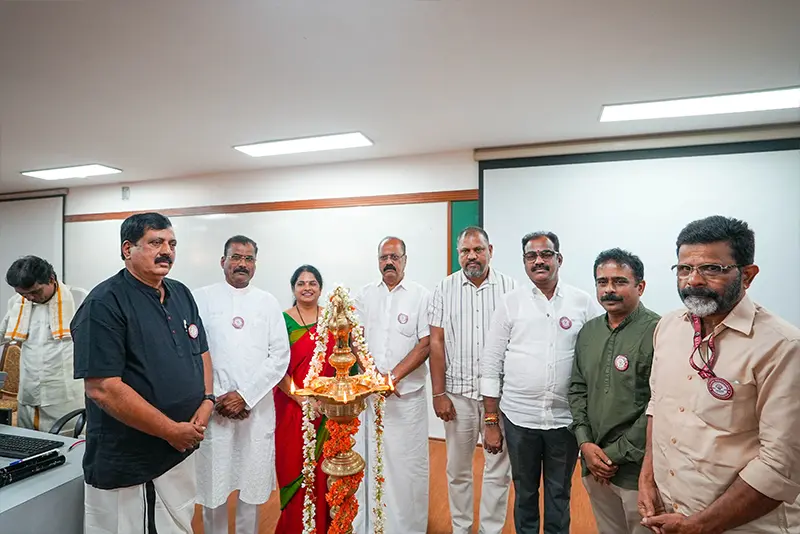
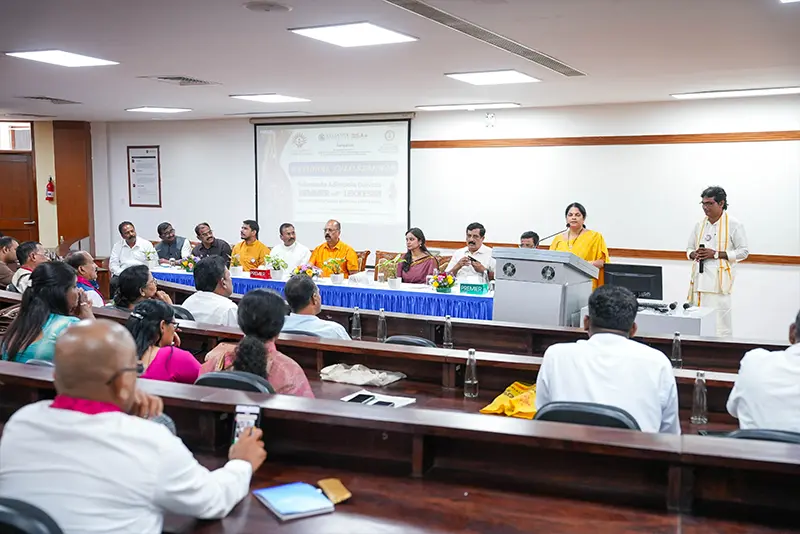
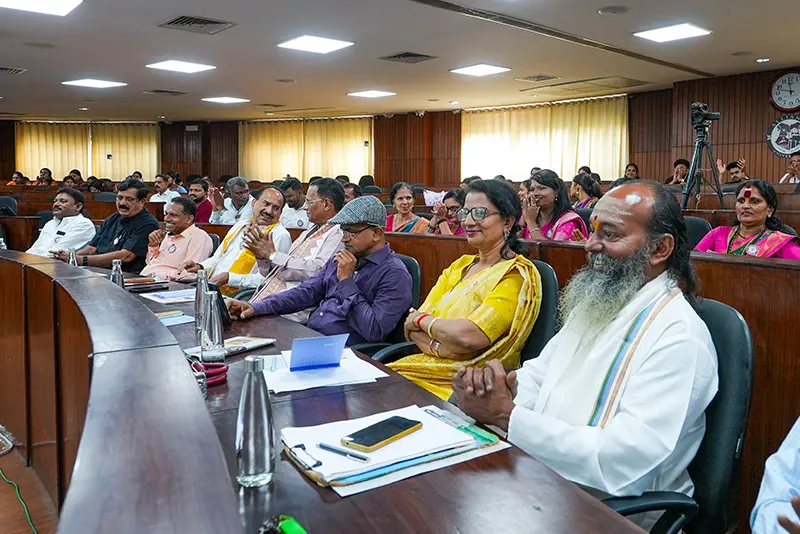
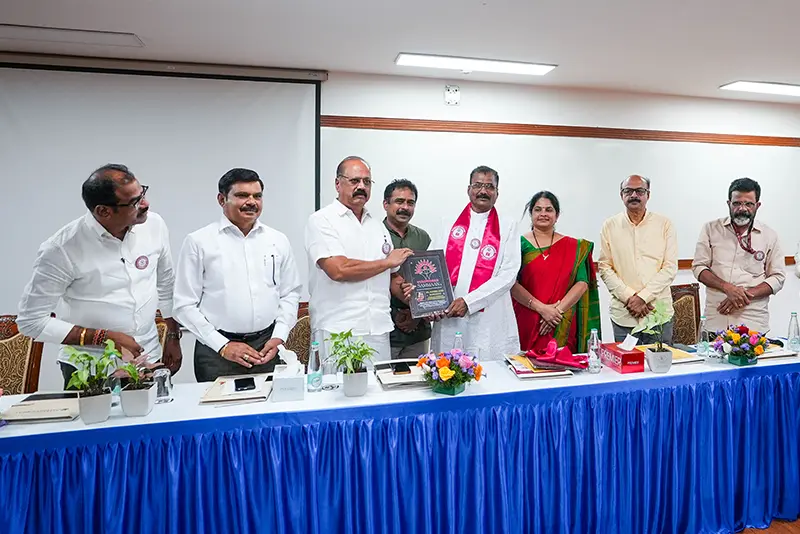
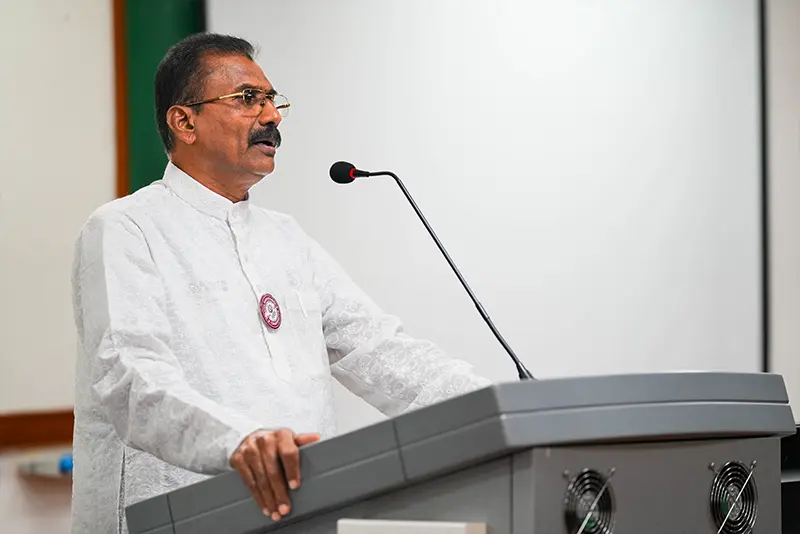
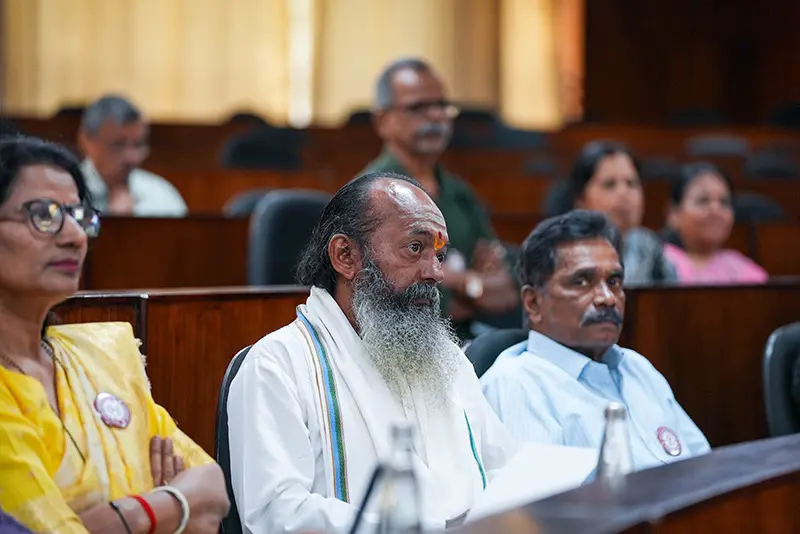
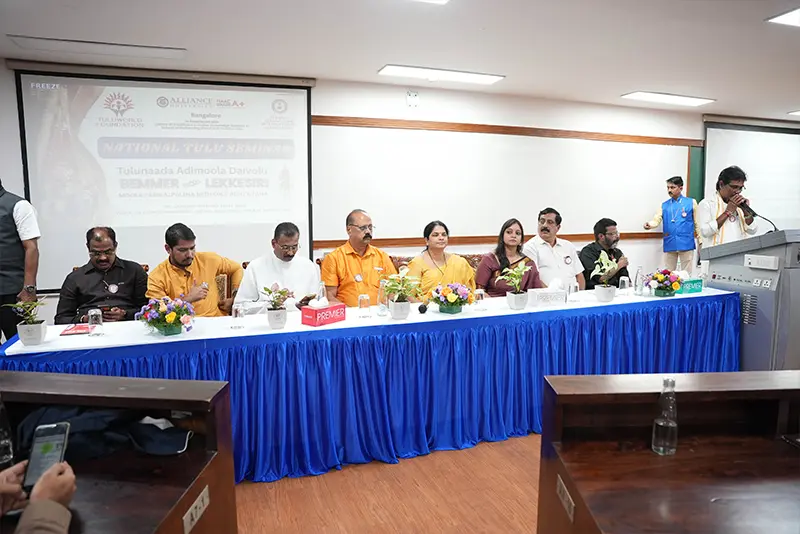
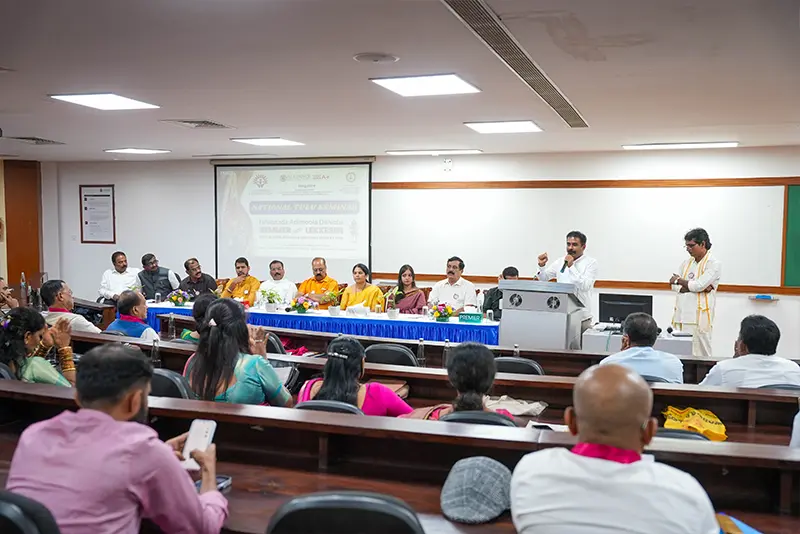
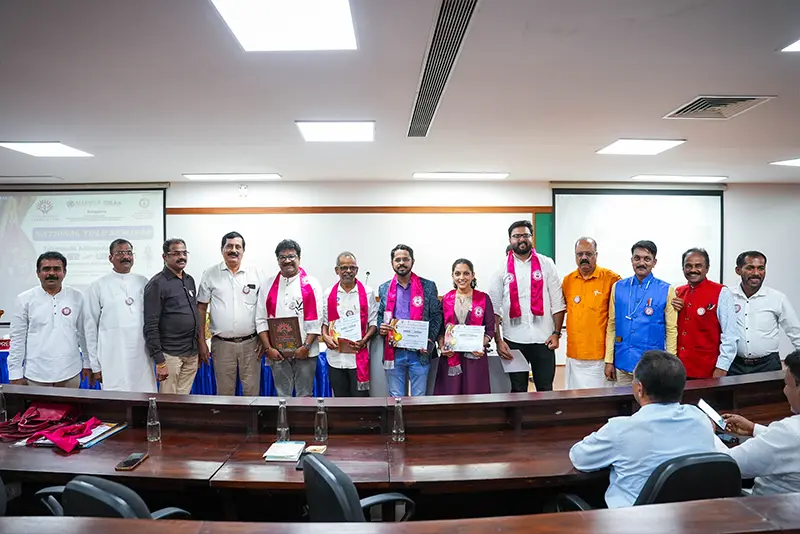
Alliance University, in collaboration with Tuluworld Foundation, organised a two-day National Seminar titled “Bemmer and Lekkesiri – Diverse Perspectives”. The seminar provided a platform for academic engagement and cultural dialogue on the ritual traditions of Tulunadu. It brought together scholars, writers, and cultural practitioners to examine these traditions as living systems of knowledge and identity.
Focus on Living Traditions and Regional Knowledge
The seminar focused on understanding Bemmer and Lekkesiri as significant ritual practices rooted in the social and cultural fabric of Tulunadu. Participants explored these traditions through historical, literary, and cultural perspectives. The discussions highlighted how regional rituals function as living archives that reflect collective memory, belief systems, and community identity.
Academic Engagement and Cultural Dialogue
The programme included structured academic sessions and reflective discussions that encouraged interdisciplinary exchange. Speakers and participants shared research insights, lived experiences, and interpretative approaches related to Tulunadu’s ritual heritage. These interactions created space for thoughtful dialogue on the relevance of indigenous knowledge systems in contemporary society.
Preserving Cultural Heritage
The seminar reaffirmed the importance of documenting and sustaining regional cultures that continue to evolve through practice and transmission. Emphasis was placed on the need to preserve such traditions not only as historical records but as active forms of cultural expression. The discussions also addressed the responsibility of academic institutions in supporting the continuity of indigenous knowledge.
Conclusion
The National Seminar on “Bemmer and Lekkesiri – Diverse Perspectives” marked a meaningful step towards recognising and sustaining regional knowledge systems. Through collaboration with Tuluworld Foundation, Alliance University reinforced its commitment to promoting cultural understanding and supporting the transmission of living traditions to future generations. The event contributed to ongoing efforts to engage with India’s diverse cultural heritage in a respectful and scholarly manner.
