

Media
Alliance University Strengthens Industry Collaboration with Biocon Biologics
20 November, 2025


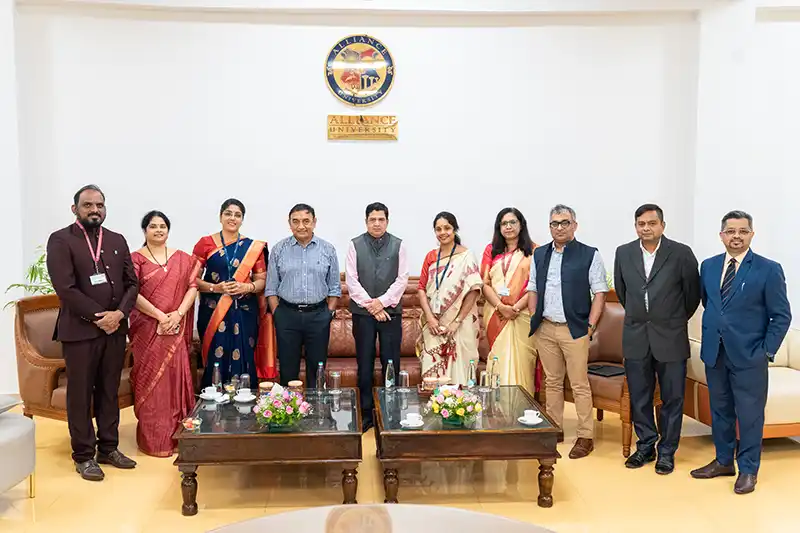
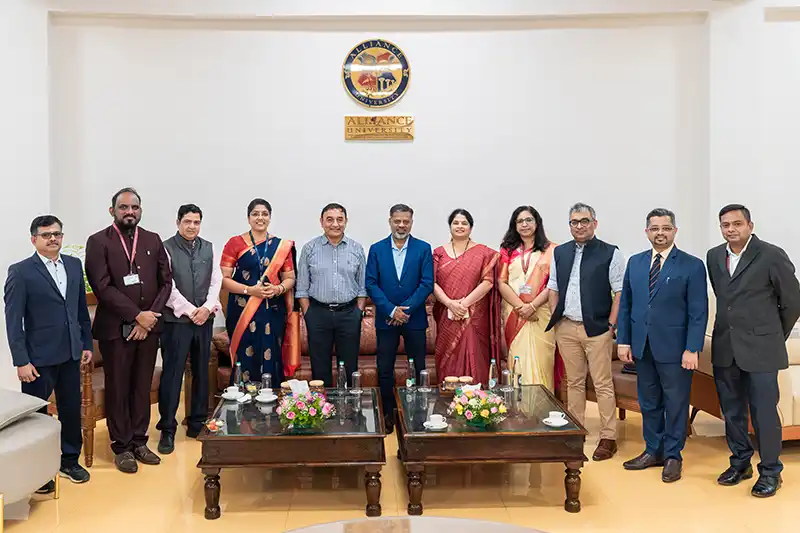
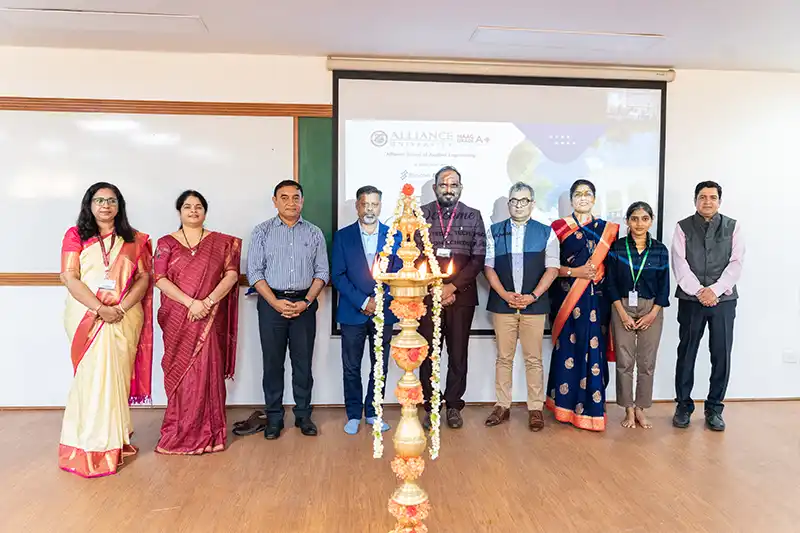
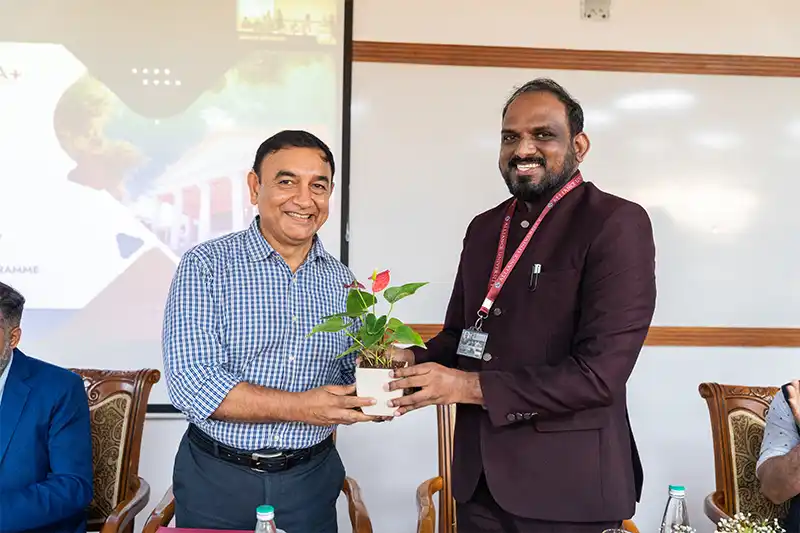


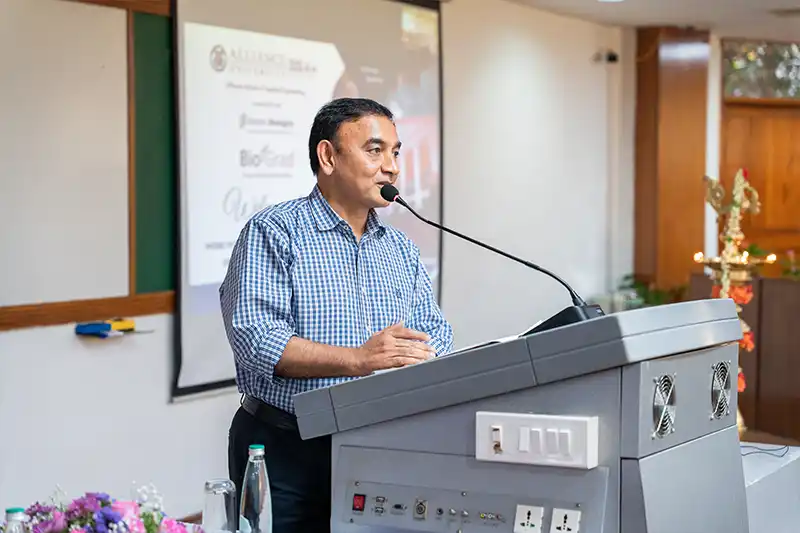
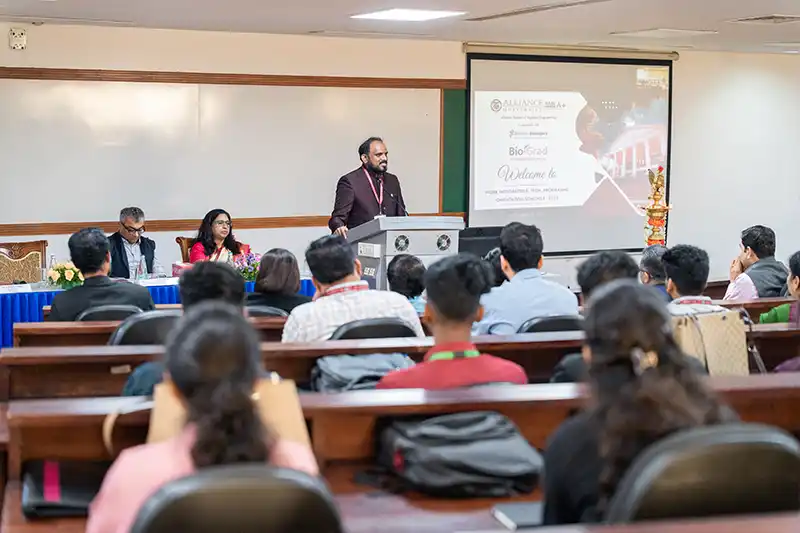
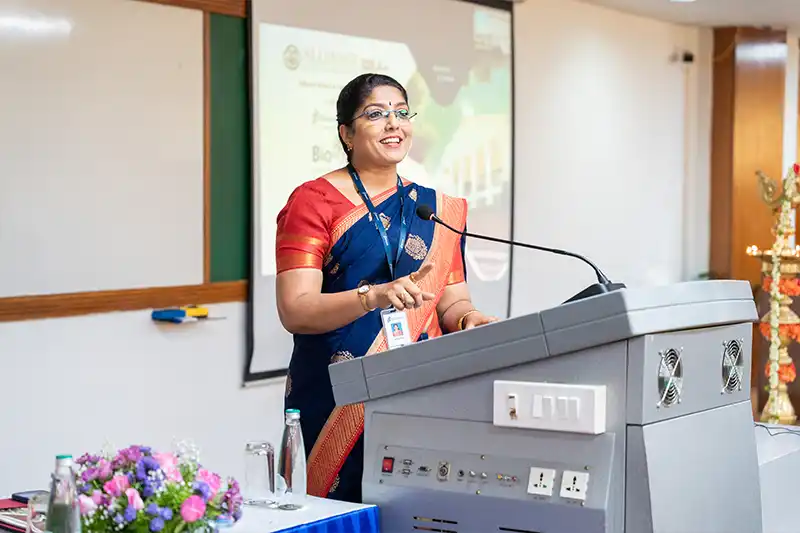
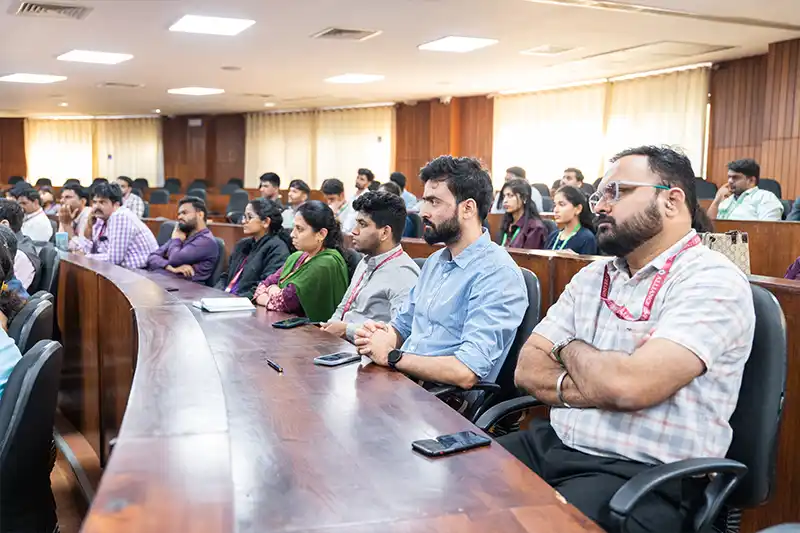
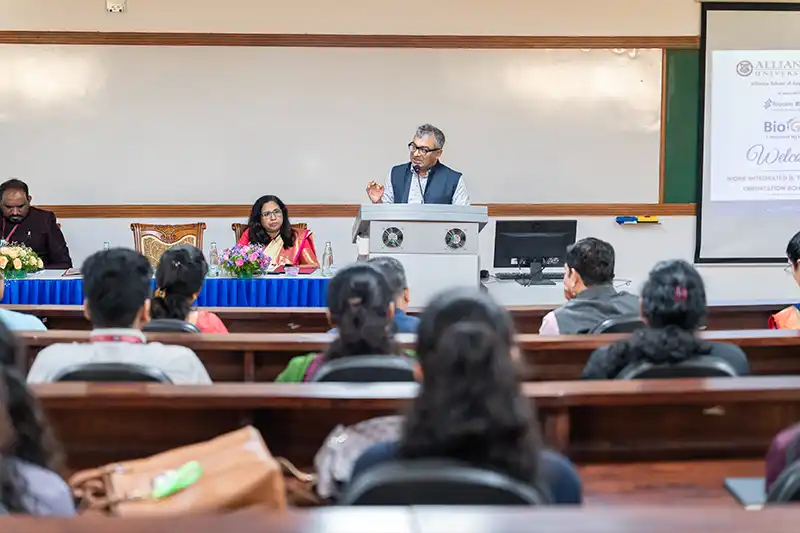

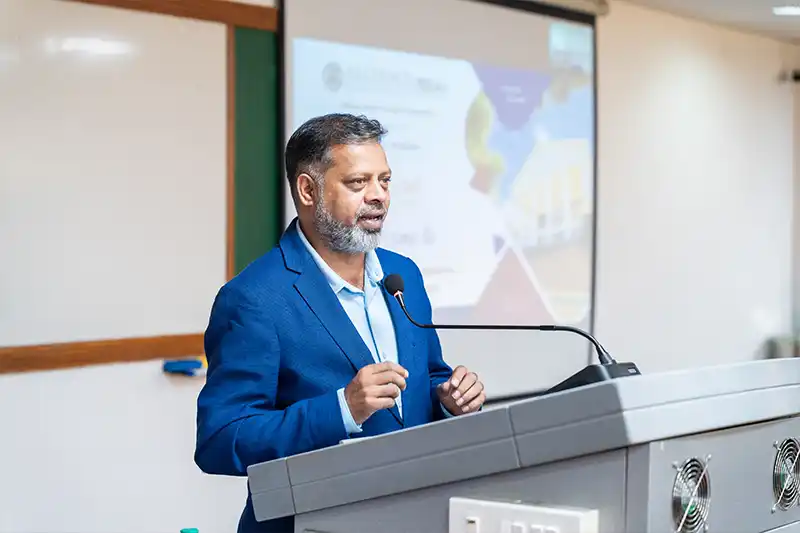
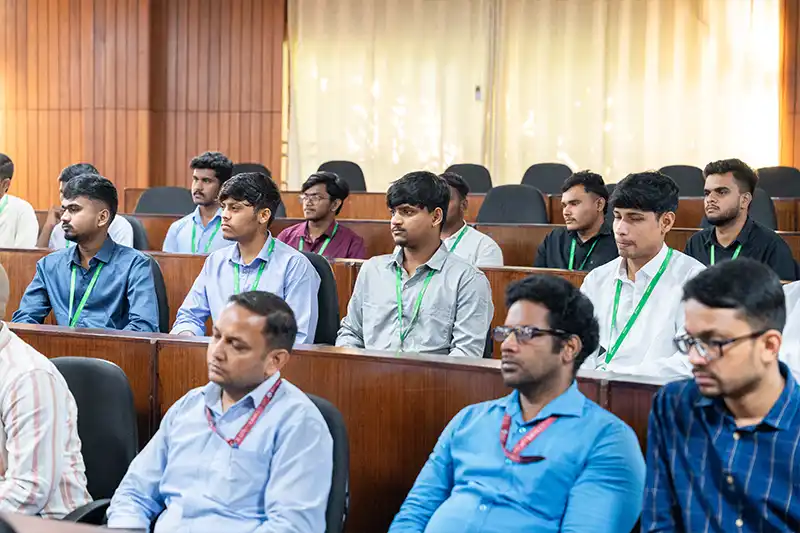
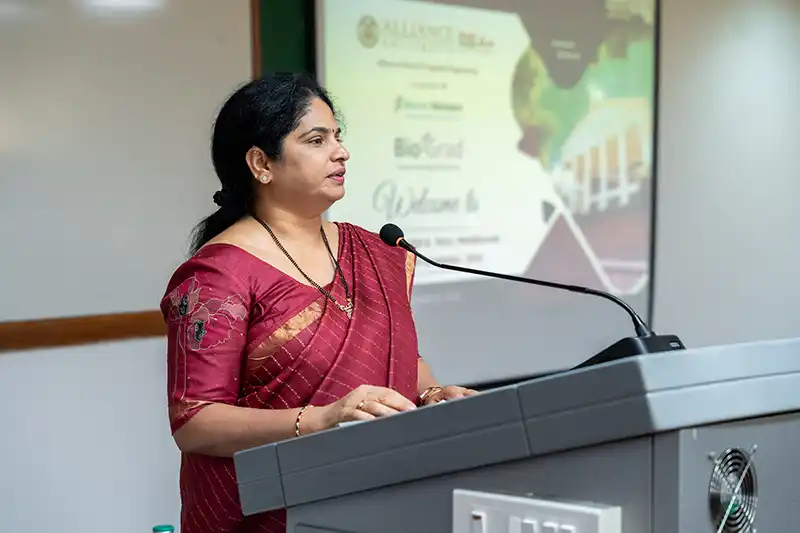
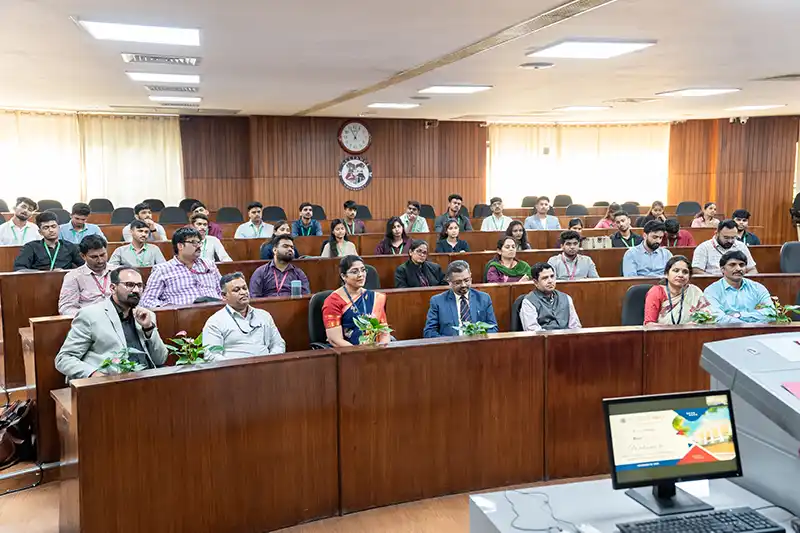
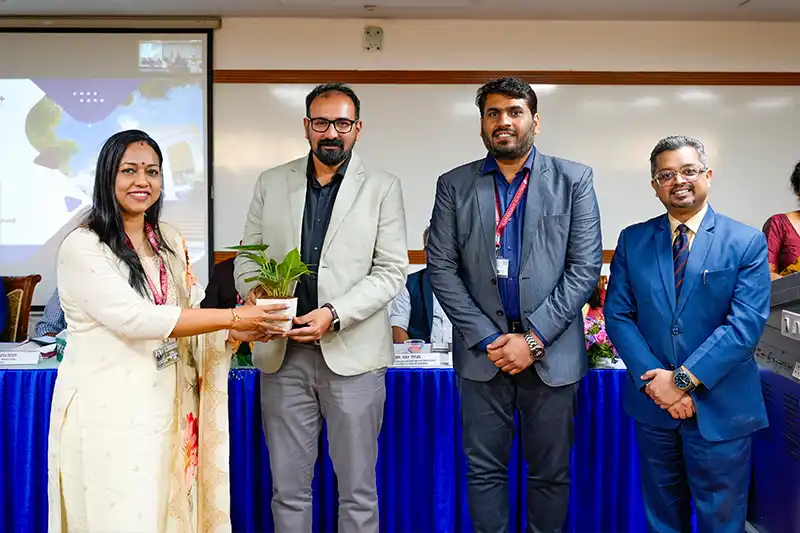
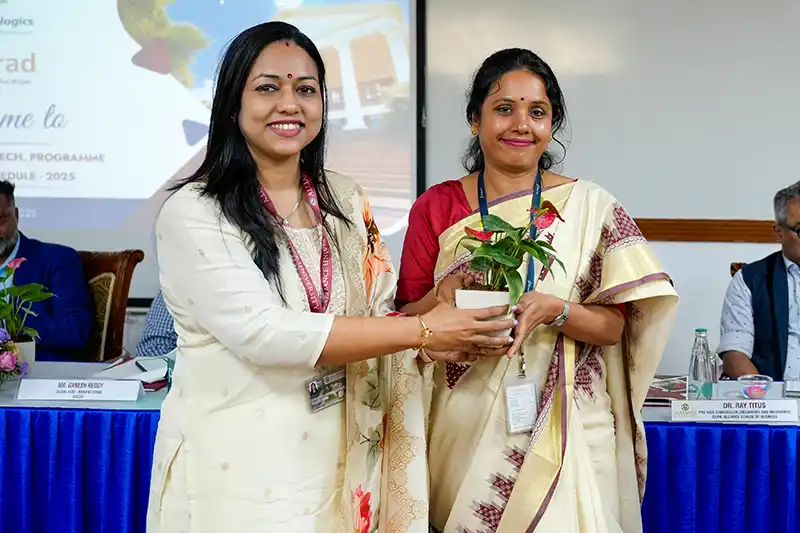
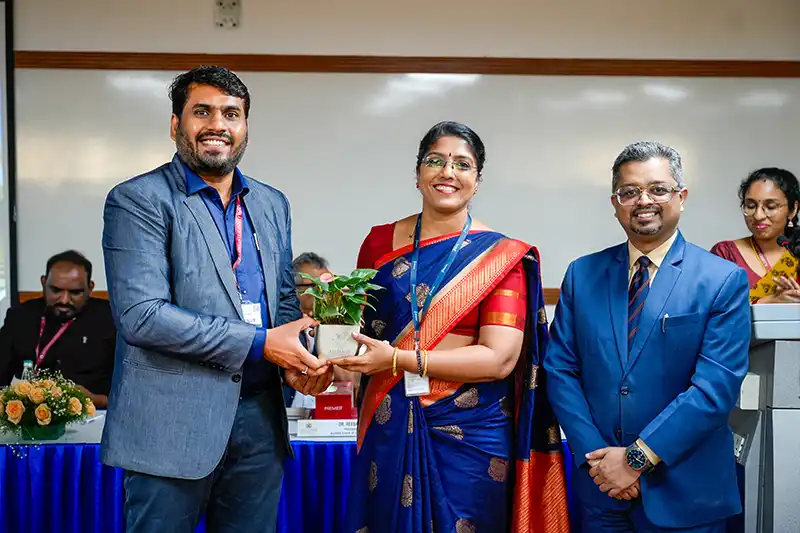
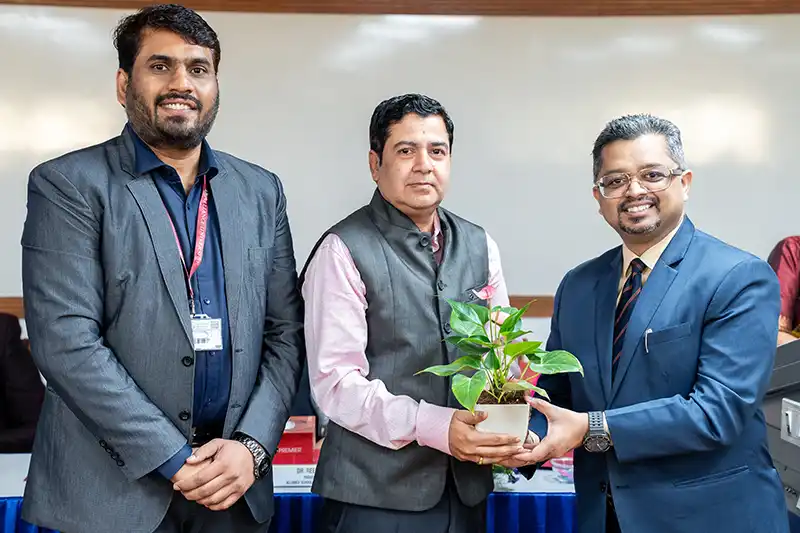
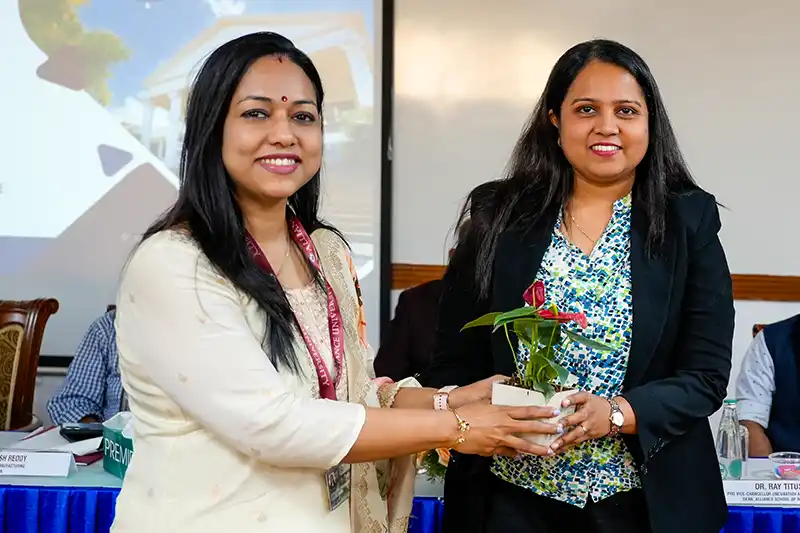
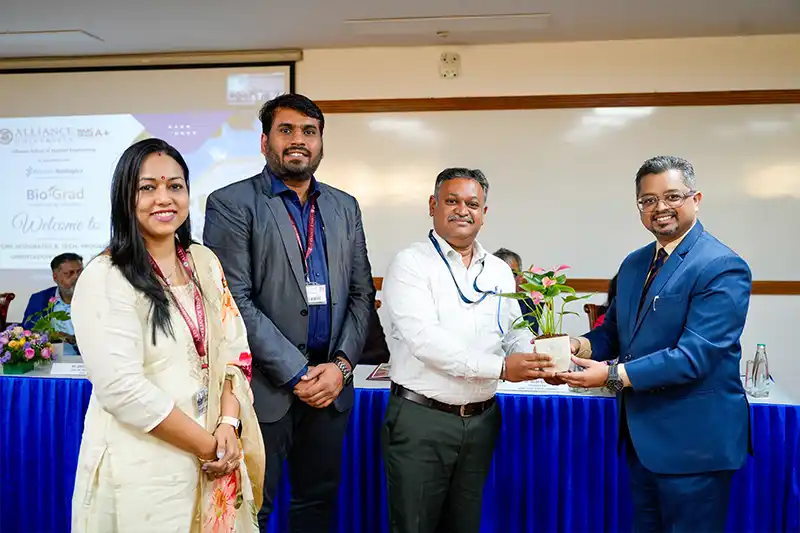
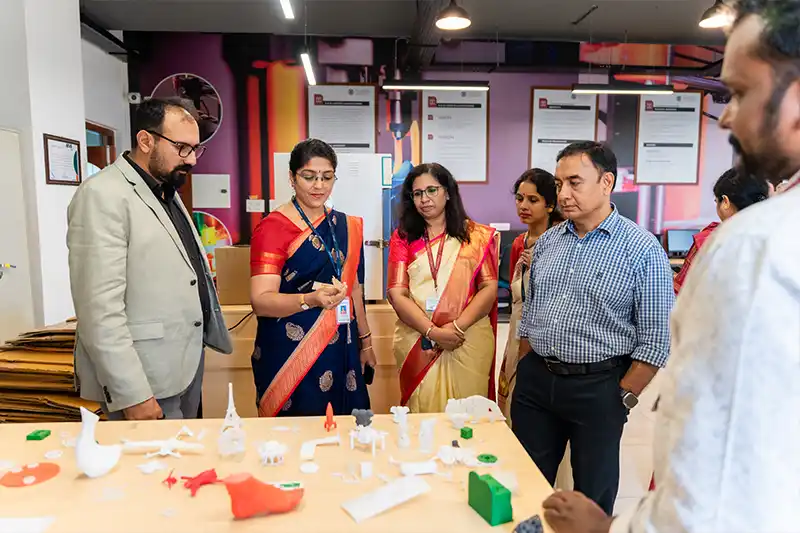
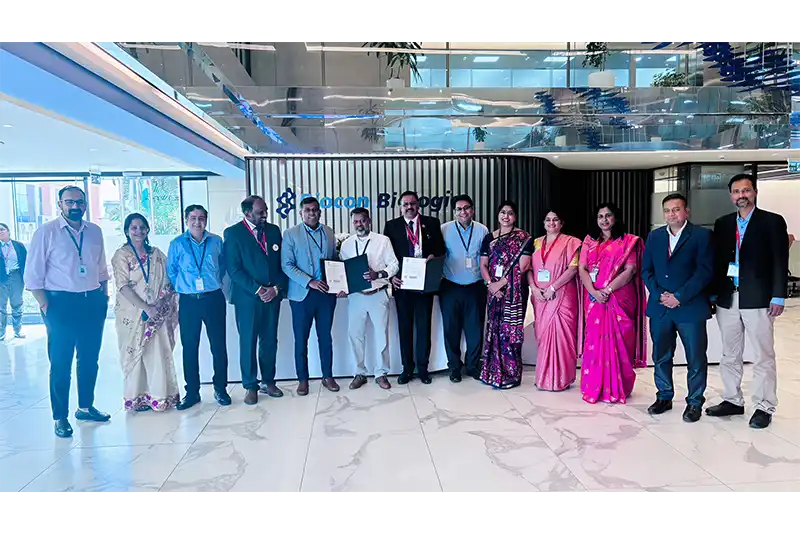
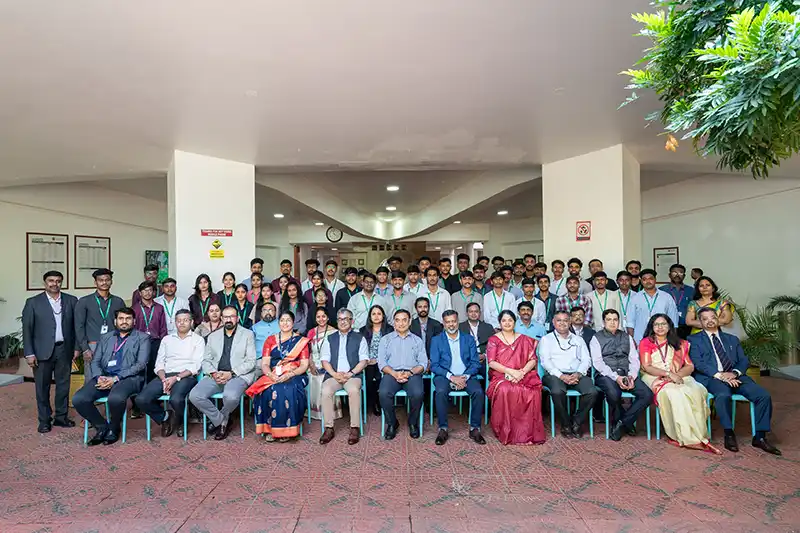
Alliance University has taken another step towards building meaningful industry–academia partnerships through a collaborative model developed with Biocon Biologics. This initiative focuses on designing a higher education programme that supports professional advancement while responding to the evolving needs of the biopharmaceutical sector.
A Co-Designed Higher Education Model
Alliance University is working closely with Biocon Biologics, a fully integrated global biosimilars company committed to “Transforming Healthcare. Transforming Lives.” Together, both institutions are co-designing a Work-Integrated B.Tech. Programme that aligns engineering education with the precision, quality, and operational rigour of biopharmaceutical manufacturing. The programme aims to bring academic learning and industry practice into a single, cohesive framework that supports professional development and organisational capability.
Integrating Learning with Real-Time Industry Practice
The programme has been developed to bridge classroom understanding with real-time application in the biopharmaceutical environment. It enables employees of Biocon Biologics to deepen their technical knowledge while continuing to strengthen their practical skills within their current roles. This approach reinforces the importance of learning that is rooted in workplace realities and equips participants with relevant insights into current and emerging practices in bioprocessing and manufacturing.
A Work-and-Study Model for Professional Growth
The Work-Integrated B.Tech. model allows employees to continue performing their responsibilities at Biocon Biologics while pursuing structured academic learning at Alliance University. The flexibility built into the programme ensures that professionals can upskill without interrupting their careers. It also supports the organisation by creating a pathway for talent development that aligns with long-term capability building.
Curriculum Co-Created for Industry Readiness
The curriculum, jointly designed by Alliance University and Biocon Biologics, reflects the standards and expectations of advanced biopharmaceutical manufacturing. It incorporates emerging industry requirements, process-engineering principles, and global best practices in manufacturing excellence. This co-creation process ensures that the programme remains relevant to the sector, supports future readiness, and contributes to sustained impact for both individuals and the organisation
Conclusion
Through this collaboration, Alliance University reaffirms its commitment to developing academic programmes that respond to industry needs and support continuous professional learning. The Work-Integrated B.Tech. Programme with Biocon Biologics represents an approach where education and industry practice come together to create a meaningful pathway for growth and long-term development.
