Admissions Open 2027-2028. Apply Now Admissions Open 2027-2028. Apply Now Admissions Open 2027-2028. Apply Now Admissions Open 2027-2028. Apply Now Admissions Open 2027-2028. Apply Now Admissions Open 2027-2028. Apply Now

The BA in Political Science doesn’t ask students to study power from a safe distance — it puts them inside the machinations of this elusive concept. Across four years, students run mock election campaigns, sit in crisis-simulation rooms, and design political interventions. They read Indian political thought alongside the Western canon, track how algorithms and surveillance are reshaping politics, and argue through PoliticX’s debates and reading circles rather than just learning about ideas in isolation.

From Semester V, students choose a specialisation — Politics, Democracy & Public Influence; Public Policy, Political Economy & Social Justice; or Security, Crisis & Strategic Governance — built respectively for future campaign strategists and communicators, policy and development professionals, and strategic-affairs and crisis-management careers. The Alliance Centre for Eurasian Studies anchors the department’s research culture, while National Institute of Advanced Study internships, semester visits abroad, guest lectures from visiting diplomats and scholars, and PoliticX’s student-run events put that research into practice outside the classroom.

By graduation, students have built the toolkit for civil services, international affairs, political consultancy, journalism, and policy work — not through slogans about “change making,” but through four years of actually doing the analysis, the fieldwork, and jostling with the argument.

Why Choose
BA (Hons.) - Political Science
at Alliance University?
Lorem Ipsum is simply dummy
Pioneering Media Leadership
Hands-On Leadership in Media Innovation.
Modernized Digital Pedagogy
Cutting-Edge Curriculum for a Digital Future.
Glocal Media Discourse
Global and Local Media Perspectives.
Applied Experiential Framework
Integrated Experiential Learning Ecosystem.
Creative Expression & Societal Influence
Creative Freedom and Cultural Impact.
Course Category
Critical Thinking FC
Markets & Society FC
Law, Justice, and the Indian Constitution FC
Science of Happiness FC
Philosophy of Science FC
Great Works FC
Language Elective - I OEL
 
Course Category
Academic Writing FC
India in the Ancient and Modern World FC
Solving for Bharat FC
Politics and Economics FC
Narratives with Data FC
Mind, Behaviour, and Society FC
Language Elective - II OEL
 
Course Category
The Political Self: Identity, Emotion, and Belonging MC
Authority, Legitimacy & The Problem of Order MC
Thinking Power: Foundations of Political Thought MC
Democracy in Practice: Society, Conflict & Change in Contemporary India MC
From Polis to State: Political Membership & the Boundaries of Community MC
Open Elective OE
Internship / International Immersion Internship
 
Course Category
Politics as Spectacle: Media, Images & Meaning MC
Social Movements & Collective Action MC
Critical Theory: Ideology, Discourse & Power MC
Elections, Parties & Voter Behaviour MC
Universal Human Values UC
 
Course Category
The State: Institutions, Capacity & Crisis MC
Capitalism and Political Power MC
Inequality, Labour & Social Conflict MC
Track Specialization Course 1: Campaigns, Strategy & Electoral Management/ Policy Design, Implementation & Evaluation/ Internal Security & Counterinsurgency Politics TS
Track Specialization Course 2: Public Opinion, Polling & Survey Politics/ Regulatory Politics: Markets, Infrastructure & Authority/ Strategic Culture & Military Doctrine TS
 
Course Category
State Violence: Policing, Repression & Political Order MC
Emergency, Exception & Political Decision MV
Track Specialization Course 3: Populism, Nationalism & Democratic Backlash/ Urban Politics, Housing & Inequality/ Risk, Foresight & Strategic Anticipation TS
Track Specialization Course 4: Civic Engagement, Participation & Democratic Innovation/ / Crisis Leadership & Decision-Making Under Uncertainty TS
Environment Science & Disaster Management UC
 
Course Category
Bureaucracy, Leadership & The Practice of Rule MC
Scarcity, Inflation & Governing Crisis MC
Track Specialization Course 5: Political Narratives, Memory & Identity Mobilization/ Welfare States: Health, Education & Social Provision/ Hybrid Threats: Cyber, Information & Grey-Zone Conflict TS
Research Methodology /Capstone Prep. DI/ CP
Dissertation / Capstone Project - I DI / CP
 
Course Category
Democracy under Strain: Disinformation, Platforms & Trust MC
Governing Through Technology: Surveillance, Control & Power MC
Strategy & Political Action: Designing the Game MC
Track Specialization Course 6: Advocacy, Lobbying & Issue-Based Politics/ Informality, Precarity & the Politics of Work/ Security Governance in Democracies TS
Dissertation / Capstone Project - II DI / CP
 

Course Categories:

UC : University Core || PC : Program Core || OE : Open Elective || OEL : Open Elective Languages || AEC : Ability Enhancement Courses || SEC : Skill Enhancement Courses || LBC : Learning Beyond Classroom || MC : Major Core || TS : Track Specializations || DI or CP : Dissertation or Capstone Project || FC : Foundation Core

University Core
University Core courses provide interdisciplinary and value-based education common to all undergraduate students across disciplines. These courses promote constitutional values, Indian knowledge systems, sustainability, critical thinking, entrepreneurship, and social responsibility as envisaged under NEP and UGC guidelines.

University Core Courses from Program Outline

  • Universal Human Values

  • Environment Science & Disaster Management

Track Specializations
Track Specializations help students concentrate on the application of a vertical skill set within a specific ecosystem. These specializations are structured to cultivate applied competencies and domain-specific expertise through the integration of experiential and outcome-based learning. 1) Politics, Democracy & Public Influence This track immerses students in the engine room of democracy, where elections are won, narratives are crafted, and public opinion is shaped. It begins with Campaigns, Strategy & Electoral Management and Public Opinion, Polling & Survey Politics, giving students hands-on insight into how political actors mobilize voters, engineer consent, and compete for power. In Semester VI, the focus shifts to the tensions within democracy itself through Populism, Nationalism & Democratic Backlash and Civic Engagement, Participation & Democratic Innovation, where students confront the crisis, reinvention, and future of democratic systems. Semester VII sharpens the analytical edge with Political Narratives, Memory & Identity Mobilization, revealing how politics operates through stories, symbols, and identity struggles, where history is not just remembered, but weaponized. The track culminates in Advocacy, Lobbying & Issue-Based Politics, where students learn how influence actually works in practice, negotiating power, shaping policy, and driving change. It trains students to move from decoding politics to actively shaping it. This is where students become not just observers of democracy, but active players in shaping it. 2) Public Policy, Political Economy & Social Justice This track explores the design, distribution, and consequences of power in society: who gets what, how systems are built, and why inequalities persist. Students begin with Policy Design, Implementation & Evaluation and Regulatory Politics: Markets, Infrastructure & Authority, building a foundation in how policies are constructed, implemented, and enforced across institutions and markets. Semester VI introduces the politics of inequality through Urban Politics, Housing & Inequality and Fiscal Politics: Taxation, Budgets & Redistribution, where students unpack the struggles over resources, development, and economic justice. In Semester VII, Welfare States: Health, Education & Social Provision examines the role of the state in shaping life chances and social protection, raising critical questions about care, responsibility, and public goods. The track concludes with Informality, Precarity & the Politics of Work, confronting the realities of unstable labour, invisible economies, and systemic vulnerability in the contemporary world. It develops policy thinkers who can both diagnose and redesign the systems that govern everyday life. 3) Security, Crisis & Strategic Governance This track is designed for those who want to understand and operate in the high-stakes world of conflict, risk, and strategic decision-making. It begins with Internal Security & Counterinsurgency Politics and Strategic Culture & Military Doctrine, introducing how states perceive threats, organize force, and justify action. Semester VI moves into forward-looking strategy with Risk, Foresight & Strategic Anticipation and Crisis Leadership & Decision-Making Under Uncertainty, where students learn how to think ahead, manage chaos, and act under pressure. In Semester VII, Hybrid Threats: Cyber, Information & Grey-Zone Conflict explores the new frontiers of conflict, where war is fought through ambiguity, technology, and narrative manipulation rather than conventional battles. The track culminates in Security Governance in Democracies, grounding strategic thinking within accountability, institutions, and the dilemmas of power in democratic systems. It trains students to think like strategists, anticipating crises, navigating uncertainty, and making decisions when it matters most.
Minors

The Minor Pathways are designed to provide students with focused specialization beyond their core discipline, enabling them to build domain depth in emerging and high-demand technology areas. Introduced as a structured academic pathway from the second year onwards, minors allow learners to align their academic journey with career aspirations, industry trends, and interdisciplinary interests.

A key highlight of this framework is the flexibility offered to students to choose any minor track based on their interests and career goals, empowering them to personalize their learning journey and explore interdisciplinary domains without constraints.

The Minors framework emphasizes:

  • Specialized skill development in cutting-edge domains
  • Hands-on learning through labs, projects, and industry-aligned tools
  • Integration of certifications and real-world applications
  • Enhanced employability through domain-focused expertise

By complementing the Program Core with targeted specialization, the Minor Pathways empower students to graduate with multi-dimensional competencies, making them adaptable, future-ready professionals capable of thriving in dynamic and technology-driven environments.

Minors List


  • Aeronautics
  • Astronautics
  • Unmanned Aerial Vehicles (UAV)
  • Avionics
  • Structural Engineering
  • Geoenvironmental & Infrastructure Engineering
  • Nature Based Solutions
  • Sustainable Technology
  • Smart Systems
  • Game Development
  • Business Systems
  • Quantum Computing
  • Data Science
  • Software Product Development
  • Artificial Intelligence & Futuristic Technologies
  • Artificial Intelligence & Machine Learning
  • Cyber Security
  • iOS Application Development
  • Data Engineering
  • Full Stack Development
  • Cloud Computing
  • Natural Language Processing and Text Analytics Systems
  • Computer Vision and Image Analysis
  • AI in Autonomous Systems
  • Blockchain Technologies
  • Internet of Things
  • DevOps
  • Immersive Technology
  • Advanced AI and Blockchain
  • AI for Healthcare and Life Sciences
  • AI for Robotics and Automation
  • Cybersecurity and Privacy in AI
  • Data Analytics
  • Embedded System and IoT
  • Next Generation Wireless Communication Systems
  • VLSI Design
  • Bio Medical Engineering
  • Automotive Electronics
  • Semiconductor Technology
  • Electric Vehicle Technology
  • Energy Management and Audit
  • Smart Grid and E-Mobility
  • Green Technology
  • Robotics and Automation
  • Smart Manufacturing Technology
  • Performing Arts and Creative Technologies
  • Business Studies
  • Computer Science
  • Data Science
  • Economics
  • Fine Arts
  • Literary & Cultural Studies
  • Media & Film Studies
  • Political Science
  • Psychology
  • Sociology
  • Chemistry
  • International Relations
  • Mathematics
  • Philosophy
  • Physics
  • Public Policy
Open Electives

Open Electives are courses designed to provide students with an introductory exposure to disciplines beyond their primary area of study. Offered across schools within the university, these courses enable students to engage with diverse fields of knowledge and perspectives. They foster an interdisciplinary approach to learning, and support the development of a more holistic academic experience.

The open electives offered by the major are:

  • Politics of the Flesh: Gender, Power & Identity
  • Governing the Metaverse: Digital Sovereignty & Virtual Politics

PEO (Program Educational Objectives)
PEO1: Interdisciplinary Inquiry
Apply interdisciplinary knowledge, critical thinking, and research skills to analyse and address complex social, cultural, and global challenges.
PEO2: Responsible Leadership
Demonstrate ethical leadership, civic responsibility, and global awareness while contributing to inclusive and sustainable initiatives in professional and community contexts.
PEO3: Lifelong Learning and Adaptability
Pursue continuous learning, intellectual adaptability, and personal growth to thrive in evolving professional and global environments.
PSO (Program Specific Outcomes)

PSO 1- Conceptualising Political Power: Apply major concepts and theoretical frameworks from political thought and political science to explain how power, authority, and legitimacy are constructed, justified, and contested in political life.

PSO 2- Analysing Political Institutions and Governance: Examine the structures and practices through which political authority is organised (including states, bureaucracies, parties, and policy systems) to understand how governance operates in contemporary societies.

PSO 3 - Interpreting Political Narratives & Ideologies: Interpret how political ideas, narratives, media representations, and collective identities shape political mobilisation, electoral behaviour, and public debate.

PSO 4 - Evaluating Political Crisis and Transformation: Evaluate major contemporary political challenges, including economic instability, democratic backsliding, technological change, and governance crises, using analytical tools from political science.

PO (Program Outcomes)
PO1: Interdisciplinary
Integrate knowledge, theories, and methods from multiple disciplines and cultural contexts to interpret and analyse complex local, national, and global issues.
PO2: Critical Thinking and Problem Solving
Evaluate diverse perspectives, question assumptions, and apply analytical frameworks to develop innovative and evidence-based solutions to real-world challenges.
PO3: Research and Evidence-Based Inquiry
Design and conduct research using appropriate qualitative, quantitative, or mixed methods to generate and interpret evidence responsibly and ethically.
PO4: Experiential Learning and Application
Apply theoretical knowledge to real-world contexts through internships, fieldwork, projects, and other experiential learning opportunities.
PO5: Ethical Reasoning and Civic Responsibility
Demonstrate ethical judgment and civic responsibility while promoting integrity, inclusivity, justice, and sustainability in personal and professional contexts.
PO6: Strategic Communication
Communicate ideas clearly and persuasively through written, oral, visual, and digital formats while engaging effectively with diverse audiences.
PO7: Innovation and Entrepreneurial Thinking
Demonstrate creativity, initiative, and adaptability in identifying opportunities and developing innovative solutions to social, cultural, or economic challenges.
PO8: Collaboration and Leadership
Work effectively in multidisciplinary and multicultural teams while demonstrating leadership, accountability, and collaborative problem solving.
PO9: India and Global Contexts
Analyse India’s historical, cultural, political, socio- economic, and technological developments within comparative global frameworks to engage critically with contemporary national and international issues.
PO10: Lifelong Learning and Personal Development
Demonstrate intellectual curiosity, self-reflection, and adaptability through continuous learning and personal development in a rapidly changing world.

Activity Points

In addition to the list of activities in the guidelines, the school encourages students to participate in academic conferences, literary events, film festivals, art/theatre/video productions or departmental magazines for which activity points may be accorded upon the recommendations of the respective Heads of the Departments.

Learn More
Foundation Core

The Foundation Core at the Alliance School of Liberal Arts serves as the academic bedrock of the undergraduate experience, designed to dismantle traditional disciplinary silos. During the initial stage of the program, students engage in a multi-dimensional curriculum that emphasizes critical thinking, literacy, and humanistic inquiry before committing to a specific major.

Foundation / Program Core Courses from Program Outline

  • Critical Thinking
  • Markets & Society
  • Law, Justice, and the Indian Constitution
  • Science of Happiness
  • Philosophy of Science
  • Great Works
  • Academic Writing
  • India in the Ancient and Modern World
  • Solving for Bharat
  • Politics and Economics
  • Narratives with Data
  • Mind, Behaviour, and Society
Open Electives Languages (OEL)

Open Elective Language (OEL) courses offer students the opportunity to learn additional languages and improve linguistic competence, communication effectiveness, cultural understanding, and professional interaction skills. These courses support multilingual learning and global employability.

OEL List

OEL–I: Language Foundations

  • French Language – I
  • German Language – I
  • Hindi Language – I
  • Kannada Nudi – I
  • Kannada Kaushala – I
  • Spanish Language – I

OEL–II: Language Proficiency Enhancement

  • French Language – II
  • German Language – II
  • Hindi Language – II
  • Kannada Nudi – II
  • Kannada Kaushala – II
  • Spanish Language – II

Open Elective Language Courses from Program Outline

  • Language Elective – I
  • Language Elective – II
Ability Enhancement Courses (AEC)

Ability Enhancement Courses are designed to improve students’ language proficiency, communication skills, environmental awareness, digital literacy, professional ethics, and personality development. These courses enhance employability, soft skills, and holistic development in alignment with multidisciplinary education objectives.

Skill Enhancement Courses (SEC)

Skill Enhancement Courses focus on practical, hands-on, and application-oriented learning aimed at developing industry-relevant competencies, technical skills, vocational abilities, and professional readiness. These courses emphasize experiential learning, tools, software applications, internships, and problem-solving capabilities.

Double Major Pathway
Within the Liberal Arts programme, students also have the opportunity to pursue a Double Major pathway, enabling them to combine their primary major with a second disciplinary area chosen from the eligible majors within the programme. This option is designed for students who wish to build depth in one field while developing substantial knowledge and competencies in another, reflecting the interdisciplinary spirit at the heart of liberal arts education. The Double Major pathway encourages students to think across disciplinary boundaries and to approach contemporary questions with greater intellectual range, analytical flexibility, and creative problem-solving ability. This pathway is especially valuable for students seeking broader academic exposure, distinctive professional profiles, and greater flexibility for higher studies and emerging careers. By studying two majors, students are able to explore how ideas, methods, and perspectives from different fields can enrich one another and open up new ways of understanding the world. Whether the combination is rooted in the humanities, social sciences, business, the arts, media, or data-driven fields, the Double Major pathway prepares students to engage confidently with complex real-world challenges across sectors and disciplines.
Undergraduate students in their fourth year may choose to pursue either a capstone project or a research dissertation. The key differentiator between the two will be that in the capstone project, students will be expected to :
  • Associate with an industry/organisation during the winter break,
  • Identify a real-world problem in consultation with the host organisation, and
  • Develop and implement solutions as part of the Capstone project.

The Course of Independent Study (CIS) is a distinctive 3-credit academic pathway that offers students the opportunity to engage in research-oriented learning through a faculty-mentored project in place of one course within their curriculum.

Designed to nurture intellectual curiosity, innovation, and critical thinking, the course enables students to immerse themselves in hands-on research through laboratories, field-based work, or Centres of Excellence. Under close faculty guidance, students identify research problems, pursue structured inquiry, and develop meaningful academic outcomes.

Credits are awarded based on consistent progress, active participation in review milestones, successful completion of the project, and the preparation and submission of a research paper to a Scopus-indexed journal, conference, or other approved scholarly platform. This pathway provides students with early exposure to high-quality research practices and meaningful scholarly contribution.

After the completion of Semesters 2 and 4 respectively, students must choose to either undertake an internship or participate in an international immersion program.

The internship opportunity after Semester 2 is designed as a social internship, through which students may explore and understand society at large by engaging with the activities and concerns of social organizations, governmental or quasi-governmental entities, and similar enterprises. Through this engagement, students are expected to develop a grounded understanding of social realities, public policy frameworks, and community-level challenges, while also cultivating empathy, ethical awareness, and civic responsibility. By participating in field-based activities, students gain exposure to real-world problem-solving contexts and are encouraged to reflect critically on broader issues such as inequality, sustainability, public health, education, and social justice.

Alternatively, students may opt for an international immersion program, which offers a structured opportunity to engage with global academic and cultural environments. These immersion programs, typically organized in collaboration with partner institutions abroad and led by faculty members from the university, may include short-term coursework, workshops, cultural exchange activities, and exposure visits. Through this pathway, students are introduced to diverse pedagogical practices, cross-cultural perspectives, and global discourses relevant to their field of study. Students benefit from interactions with international peers and faculty, exposure to new academic frameworks, and participation in experiential learning modules that extend beyond the traditional classroom. Such engagements are designed to broaden intellectual horizons and prepare students for increasingly globalized professional and academic environments.

At the end of Semester 4, students are again presented with a similar choice, enabling them to either deepen their engagement through an advanced internship or pursue further international exposure. The advanced internship is oriented toward more specialized training within the student’s chosen discipline, offering opportunities to work with organizations, businesses, and related institutions in a focused capacity. This stage emphasizes skill development, professional orientation, and applied learning aligned with the student’s academic interests.

This flexible framework ensures that students can align their experiential learning pathways with their academic goals, career aspirations, and personal inclinations. Together, these opportunities balance local engagement with global exposure, equipping students with the knowledge, skills, and perspectives required to navigate complex social and professional landscapes.

STUDY ABROAD OPTIONS

International Mobility

Experience global education through our international study opportunities designed to broaden academic perspectives and cultural understanding. These programmes enable students to study at partner universities abroad, gain international exposure, and develop the global competencies needed to succeed in an interconnected world.

Learn More

An opportunity that lets students begin their degree at Alliance University (1 or 2 years) and then transfer to a foreign university to complete and earn their degree internationally.

Explore the World: Study a semester abroad, earn transferable credits, and gain global insights while experiencing a new culture and expanding your skills.

An exciting immersion opportunity for Alliance University students to engage with leading multinational companies and innovative startups, offering a unique blend of global learning and practical work exposure abroad, all within just 7 to 14 days.
Short-term programmes lasting 2 to 4 weeks offer students an ideal opportunity to gain international exposure without disrupting their academic schedule.

Learn More

Alliance University welcomes students from across the world to study, collaborate, and thrive in a truly global learning ecosystem. We combine academic rigour with industry exposure, modern infrastructure with personalised support, and global perspectives with Indian values.

Learn More

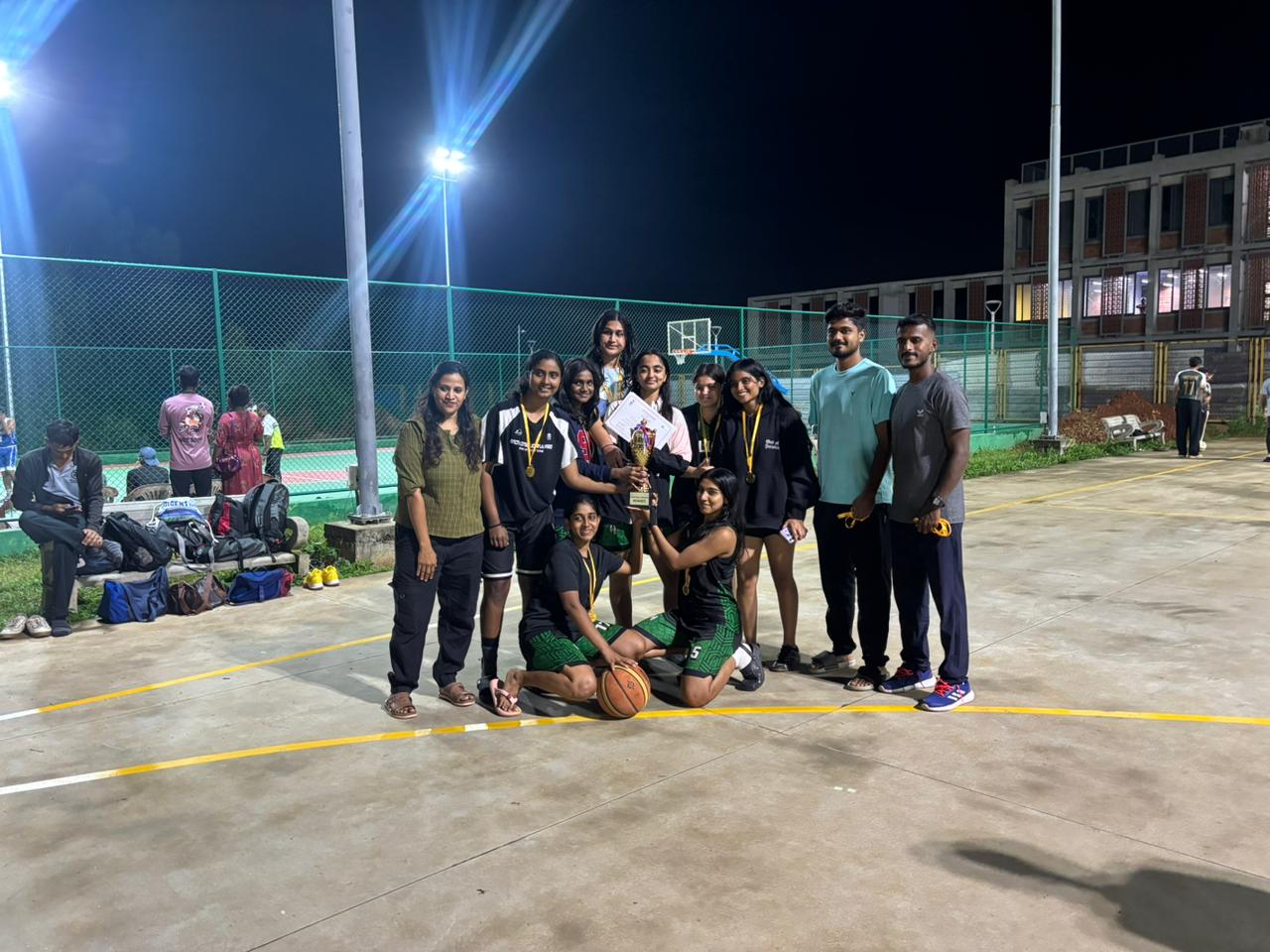
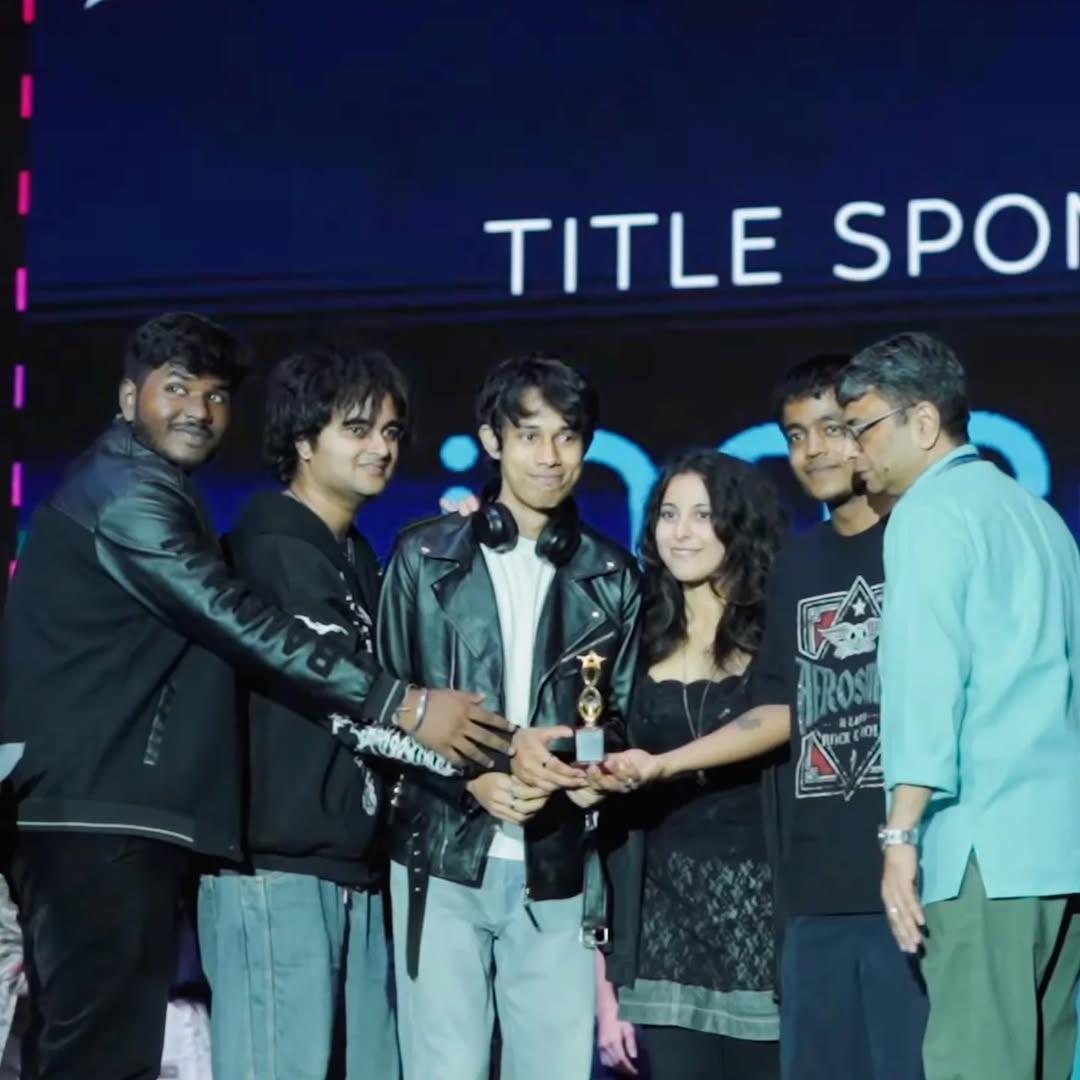
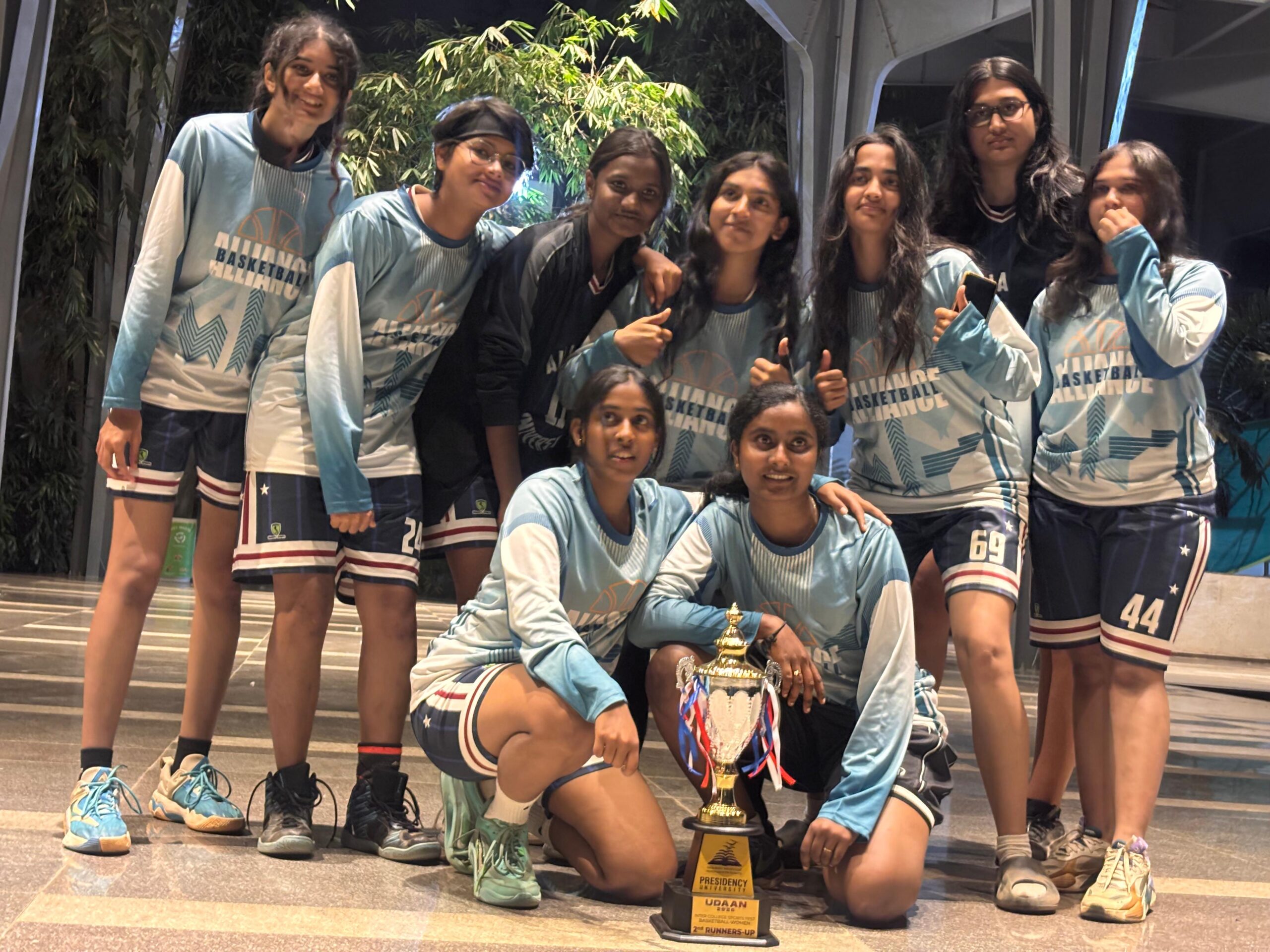
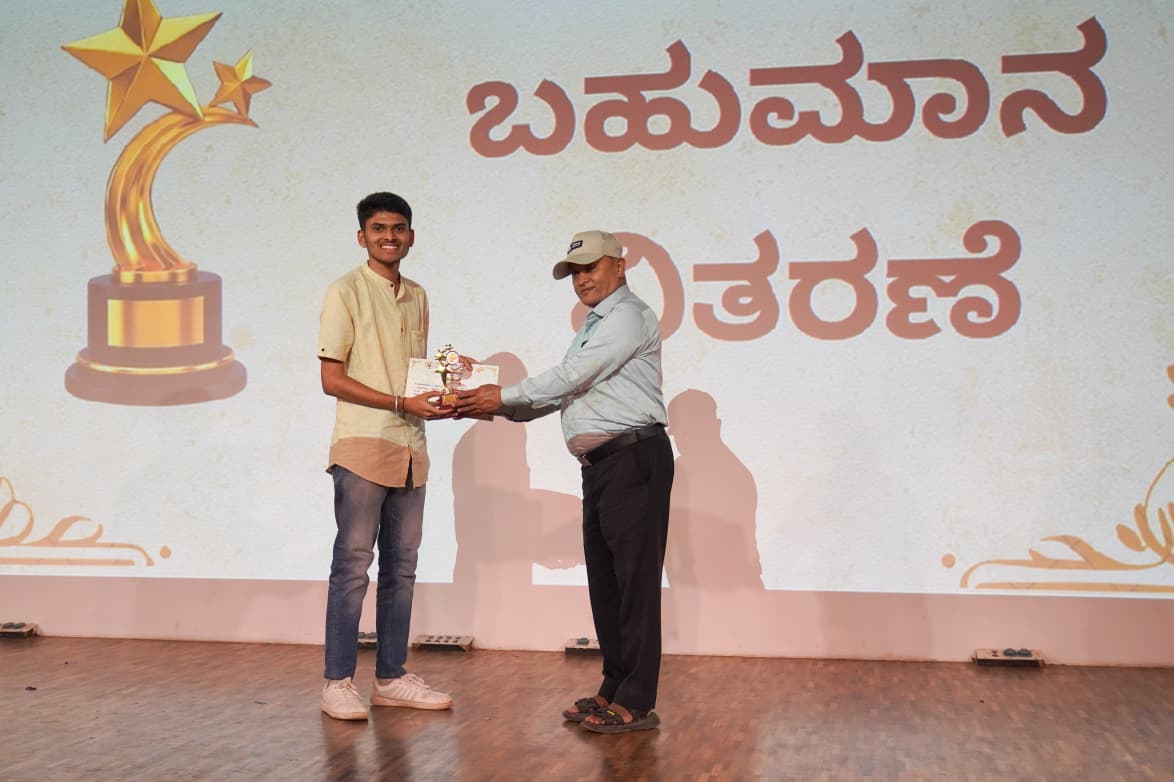
Recognising Effort, Celebrating Success

Category Eligibility Criteria
General 10+2 from recognized Board / Council with minimum 50% marks
Reserved Categories 5% relaxation for SC / ST candidates


Program duration

Entry Level Program Duration
Entry Level Four Years / Eight Semesters


ACCEPTED TEST SCORES
AUSAT
AAT
AUSAT
AAT
AUSAT
AAT
AUSAT
AAT

Particulars Indian Nationals Foreign Nationals
Registration Fee (As per admission cycle) ₹25,000 US$500
1st Installment (As per provisional admission offer) ₹3,25,000 US$3,975
2nd Installment ₹3,50,000 US$4,475
3rd Installment ₹3,50,000 US$4,475
4th Installment ₹3,50,000 US$4,475
Total Program Fee (Includes registration + all installments) ₹14,00,000 US$17,900


Category Eligibility Scholarship
Special Merit Scholarship X: 90% & above, XII: 90% & above 50% Tuition Fee Waiver
X: 80% & above, XII: 80% & above 40% Tuition Fee waiver
X: 70% & above, XII: 70% & above 30% Tuition Fee Waiver
SC / ST X & XII ≥ 60% + National Level Entrance ≥ 70% 20% Tuition Fee Waiver
Differently-Abled X & XII ≥ 50% 50% Tuition Fee Waiver
Defence / Paramilitary X & XII ≥ 60% + National Level Entrance ≥ 70% 15% Tuition Fee Waiver
International-Level Player X & XII ≥ 50% 100% Tuition Fee Waiver
National-Level Player X & XII ≥ 50% 50% Tuition Fee Waiver
Domicile X & XII ≥ 60% + National Level Entrance ≥ 70% 5% Tuition Fee Waiver
Explore Scholarships

Educational Loan Assistance

Explore scholarships, financial aid options, and loan assistance programs that help make quality education accessible, affordable, and achievable for students from diverse backgrounds.

Learn More

Steps Description
Step 1 Submit Online Application
Step 2 Pay Application Fee — ₹1000 (US$50 for foreign nationals)
Step 3 Appear for AAT / SAT / ACT Entrance Test
Step 4 Personal Interview assessment
Step 5 Selection based on overall profile & performance


Start your application now

Living Spaces That Inspire Belonging

EXPLORE OUR HOSTELS

Comfort, safety, and community form the foundation of campus living. Our residential halls are thoughtfully designed to create a sense of belonging—offering a welcoming environment where students can study, unwind, and build lifelong friendships.

Separate hostels
for boys and girls

Student-friendly
common areas

Spacious rooms
(single, double, or triple occupancy)

Dedicated wardens
and support teams

residential-image-update

Real Stories, Real Impact

FACULTY
STUDENT


Everything You Need to Know

Why is Alliance Universitys BA (Hons.) in Political Science a leading choice for aspiring policymakers in 2026?
Alliance University\\\'s BA (Hons.) in Political Science is a leading choice for aspiring policymakers because of its theoretical grounding with practical exposure to real world governance and policy processes. The program focuses on political theory, public policy, international relations, and Indian politics, while providing students with internships, expert faculty, and policy focused events that prepare them for careers in government, think tanks, and public service.
What sets Alliance Universitys BA (Hons.) in Political Science apart from other political science programs in India?
Alliance Universitys BA (Hons.) in Political Science stands out because it combines core political theory with real world practice, policy projects, and experiential learning. With transdisciplinary exposure and close mentorship from faculty connected to governance and public affairs, the program prepares students to act in politics and policy, not just study it.
Which dynamic subjects, like global governance or political data analytics, are included in the BA (Hons.) in Political Science curriculum?
You will study global governance, public policy, media influence, political economy, and the role of technology and data in shaping decisions. More importantly, you will learn how these elements connect, see patterns, and understand why narratives and crises unfold the way they do.
What exciting career paths can I pursue after graduating in BA (Hons.) in Political Science?
A BA (Hons.) in Political Science opens doors to careers in civil services, public policy, law, journalism, political consulting and NGOs. It also sets a strong foundation for higher education, such as an MA, M. Phil. or Ph. D., leading to teaching, research, and specialist roles in policy and governance.
What critical skills, like policy drafting or geopolitical analysis, will I gain?
The BA (Hons.) in Political Science will help you learn how to draft policy notes, read geopolitical shifts, work with data, and explain complicated ideas in a clear, confident way. These are the skills that actually get you noticed in policy, government and related fields.
How does the program prepare students for roles in public policy analysis or political communication?
The BA (Hons.) in Political Science trains you to think like a policy analyst and write like a political communicator. You learn to read policies closely, shape arguments, and turn complex ideas into clear, persuasive language that works in real world roles.
Does the program offer internships with government agencies or think tanks?
Yes. The BA (Hons.) in Political Science program at Alliance University includes opportunities for internships with government bodies, public institutions, think tanks, and policy organisations. These placements help students gain hands on experience and build professional networks.
How does the program ensure practical exposure and experiential learning?
The program includes policy projects, case studies, field visits, and guided internships with government bodies, NGOs, and think tanks, ensuring students understand how political and policy decisions are made in practice.
What practical learning opportunities, like mock parliaments or policy workshops, are offered?
Students participate in simulations, policy exercises, negotiations, debates, and workshops that closely reflect real world political and policy-making scenarios.
How does the program develop skills in research, analysis, and policy-making?
The BA (Hons.) in Political Science at Alliance University develops research and policy-making skills through case-based projects, guided research, and policy simulations that teach students to analyse issues and propose practical solutions.
How does the program connect students to global political and academic networks?
Through the Alliance Centre for Eurasian Studies, student initiatives like PoliticX, and partnerships with international universities, students gain access to joint research events, guest lectures, and study abroad opportunities.
How does studying political science help in preparing for civil services or government careers?
Political Science helps students understand governance, policy, and institutions while developing analytical and answer-writing skills that are highly relevant for UPSC and government service examinations.
What is the scope of BA (Hons.) in Political Science?
A BA (Hons.) in Political Science opens opportunities in civil services, governance, public policy, journalism, law, NGOs, political communication, and international organisations, along with higher education and research careers.
Is BA (Hons.) in Political Science a good career for the future?
Yes. A BA (Hons.) in Political Science is a future oriented program for students interested in governance, politics, policy, law, media, and public service. It develops analytical, communication, and research skills valued across industries.
How does the BA (Hons.) Political Science program prepare students for international relations and diplomacy careers?
The program provides knowledge of global politics, foreign policy, and international institutions while developing critical thinking, research, negotiation, and communication skills required for careers in diplomacy, embassies, think tanks, NGOs, and foreign services.
What is the BA (Hons.) program? +

Four-year undergraduate programs providing theory, practical skills, interdisciplinary training, and experiential learning in respective fields.

What is the course duration? +

Four years (Eight Semesters)

What is the eligibility criteria? +

10+2 from recognized Board / Council with minimum 50% marks; 5% relaxation for reserved categories.

What entrance tests are required? +

AUSAT, SAT, or ACT

What is the admission process? +

Online application, Entrance test, Personal interaction, Feedback & final selection

Are experiential learning opportunities included? +

Yes, tailored per program (simulations, field labs, podcasts, strategy games, research projects)

What technical/industry skills are taught? +

Political Science: critical thinking, persuasive writing, political imagination, debate, strategy simulations

Are scholarships available? +

Yes. Merit-based, program-specific, and category-based scholarships

What career paths are available? +

Civil services, political consultancy, international affairs, media, impact-driven innovation

Can international students apply? +

Yes, with entrance test and fee requirements

How are students evaluated? +

Coursework, exams, projects, experiential learning, internships

Are extracurricular activities included? +

Yes, including clubs, festivals, debates, podcasts, media, and research projects

Is there any special mentorship? +

Yes, faculty and industry mentorship across programs

AU
↑
Enquiry Form
×

Enquire Now